Canada Reopens Low-Wage LMIA Applications in Select Cities After Employment Recovery
Canada’s Temporary Foreign Worker Program (TFWP) is seeing a notable policy shift in early 2026, as the federal government confirms the resumption of low-wage LMIA processing in several previously restricted labour markets. The update, effective January 9, 2026, follows improved employment conditions in multiple regions across the country.
This development is expected to bring relief to employers facing labour shortages and foreign workers awaiting work permit renewals or new opportunities.
Also Read Low-Wage LMIA Processing to Restart in Canada
What Triggered the Policy Change in 2026?
The decision is rooted in Canada’s unemployment-based LMIA control framework, which limits low-wage LMIA approvals in regions with weaker labour market conditions. Under this system, low-wage LMIA applications are paused in Census Metropolitan Areas (CMAs) where the unemployment rate reaches or exceeds 6%.
Recent labour market data shows that several major cities have now successfully moved below this threshold, prompting the government to lift the processing pause for the first quarter of 2026.
Cities Where Low-Wage LMIA Processing Has Restarted
As of Q1 2026, employers in the following CMAs can once again submit low-wage LMIA applications:
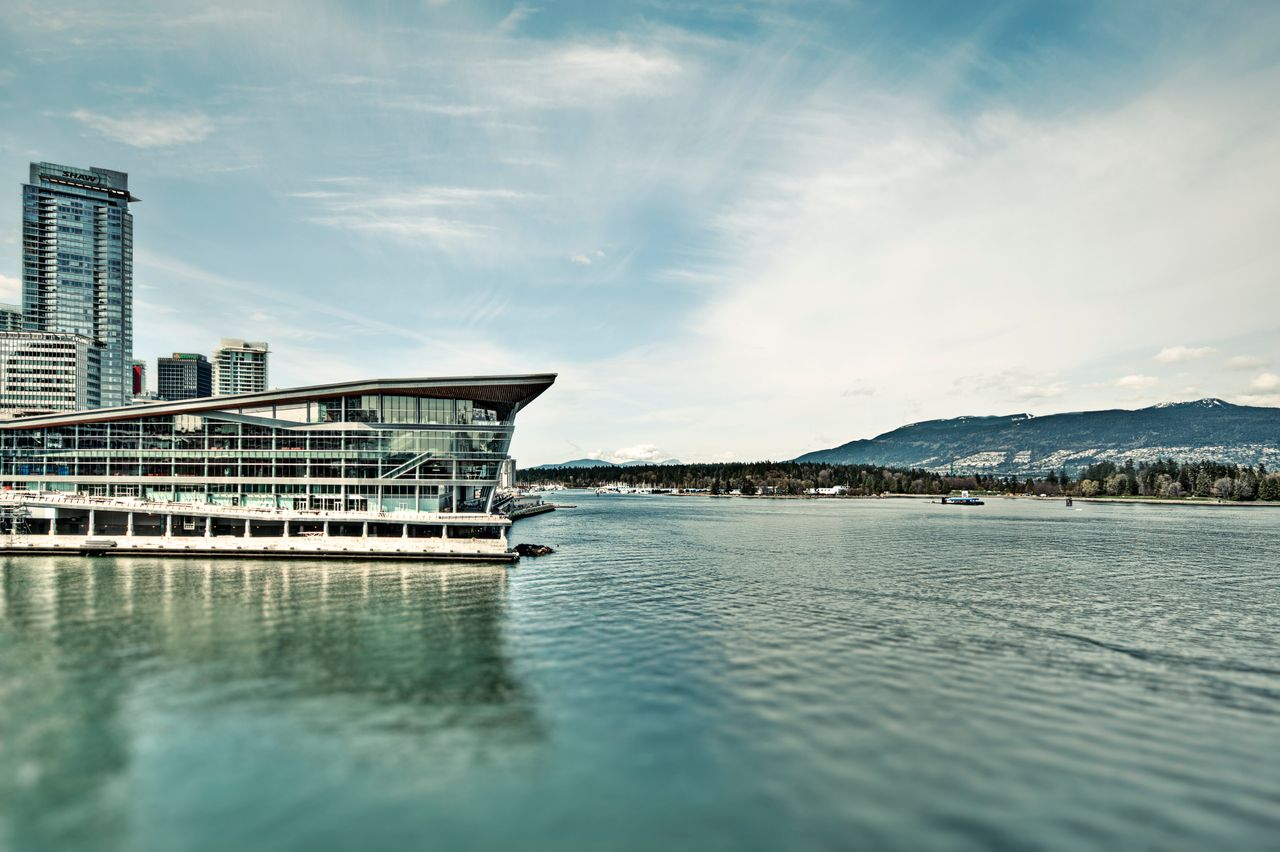
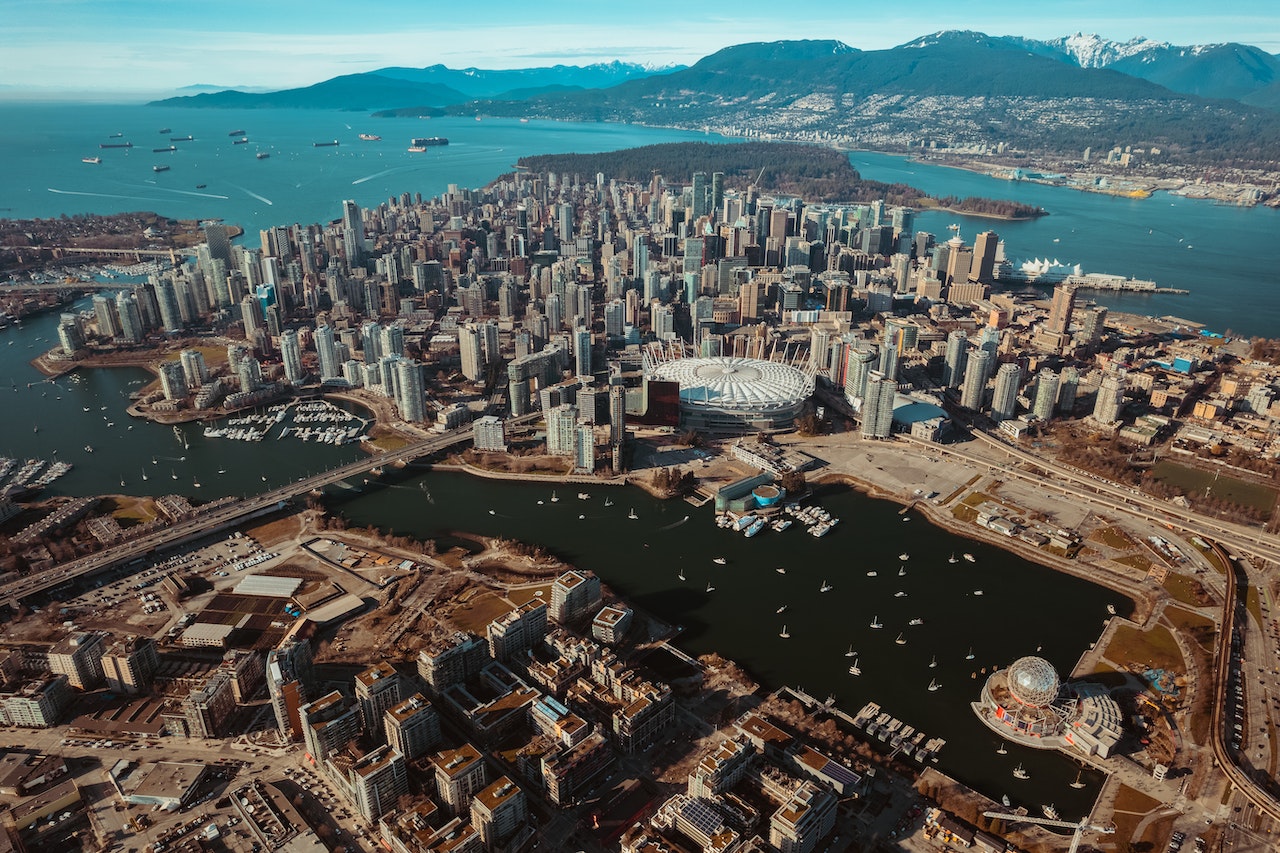
- Vancouver, British Columbia
- Winnipeg, Manitoba
- Montréal, Quebec
- Halifax, Nova Scotia
- Kingston, Ontario
- Fredericton, New Brunswick
- Moncton, New Brunswick
- Saint John, New Brunswick
These regions were ineligible during the final quarter of 2025 but have now requalified due to declining unemployment figures.
Top Stories
- British Columbia PNP Draw Selects 287 Workers Across Four Sectors
- Prince Edward Island Invites 90 Candidates in Latest PNP Draw
- Ontario Invests $20 Million to Speed Up Medical Licensing for Foreign Doctors
- Ontario Boosts PR Points for $80K Earners
- Alberta Invites 1,110 Candidates Through 9 PNP Selections in September 2026
Understanding the Low-Wage LMIA Category
A job offer is classified under the low-wage LMIA stream when the hourly wage:
- Falls below 120% of the local median wage, and
- Does not exceed what the employer pays existing workers in the same role and location
Employers must secure a positive or neutral LMIA for foreign nationals to apply for or extend work permits under this stream.
Regions Still Restricted From Low-Wage LMIA Processing
Despite the recent reopening, 24 CMAs across Canada remain ineligible for low-wage LMIA submissions until at least April 9, 2026. These include several high-population and industrial centres such as:
- Toronto and surrounding Ontario cities
- Ottawa–Gatineau
- Calgary and Edmonton
- Kitchener–Waterloo region
- Parts of British Columbia’s Interior and Island regions
Applications tied to these locations will not be processed under the low-wage stream during this period.
Sectors That Remain Unaffected by the Pause
Even in restricted CMAs, Canada continues to accept LMIA applications for priority and essential occupations, including:
- Agricultural and farming roles
- Construction trades
- Food production and processing jobs
- Hospital-based positions
- Long-term care and nursing facilities
- Designated caregiver roles
- Short-duration employment assignments
These exemptions are designed to safeguard critical industries and essential public services.
Alternative Strategies for Employers
Employers located in restricted CMAs still have options to legally hire foreign workers in 2026.
Move to the High-Wage Stream
By offering wages that meet or exceed provincial wage benchmarks, employers can submit LMIA applications under the high-wage TFWP stream, which is not affected by unemployment-based restrictions.
Monitor Quarterly Updates
Unemployment figures are reassessed every three months, meaning eligibility may change as early as April 2026.
High-Wage LMIA Salary Benchmarks by Province
To qualify for the high-wage stream, employers must offer at least the following hourly wages:
- Ontario: $36.00
- British Columbia: $36.60
- Alberta: $36.00
- Quebec: $34.62
- Manitoba: $30.16
- Nova Scotia: $30.00
- Saskatchewan: $33.60
- Yukon: $44.40
- Northwest Territories: $48.00
Meeting these thresholds removes the job from the low-wage LMIA category.
Related Stories
- Canada Introduces Priority PR Processing for Temporary Workers in Rural Communities
- Canada Updates Processing Times: Faster Decisions for Work and Study Permits
- Canada’s New Visa Processing Timelines: Faster Visitor Visa for Indians
- Who Can Still Get a Canadian Work Permit at the Border?
- Canada Set to Revamp LMIA-Exempt Work Permits in 2026: Key Policy Shifts Ahead
What Foreign Workers Should Know in 2026
Foreign workers affected by LMIA processing pauses must remain cautious. If a work permit cannot be renewed due to LMIA restrictions, employment must stop immediately.
However, individuals may still:
- Apply for a visitor record to stay in Canada legally
- Search for LMIA-exempt roles
- Change employers and begin work while a new application is under review, if eligible
Targeting eligible regions or exempt occupations significantly improves success chances.
How to Confirm LMIA Eligibility by Job Location
Foreign nationals and employers can verify eligibility by:
- Searching the job’s postal code on the Census of Population platform
- Identifying whether the location falls under a Census Metropolitan Area (CMA)
- Checking the CMA against the latest ineligible list
Jobs located in Census Agglomerations or non-listed areas remain eligible for low-wage LMIA processing.
What This Signals for Canada’s Work Permit System
Canada’s decision to reopen low-wage LMIA processing in select cities reflects a data-driven approach to workforce planning. As labour conditions stabilize, the government is gradually rebalancing employer needs with domestic employment priorities.
For 2026, staying informed about quarterly LMIA updates, regional unemployment trends, and wage thresholds will be critical for anyone navigating Canada’s work permit landscape.