Canada is preparing for a major transformation in its immigration policy framework, as the country is finalizing the 2026-2028 Immigration Levels Plan. The new strategy intends to balance population growth with economic sustainability by tightening the intake of temporary residents while offering clearer routes to permanent residency for workers already contributing to the Canadian economy.
Also Read Canada’s 2026-2028 Immigration Plan to Introduce New PR Pathway for Temporary Residents
Transforming Temporary Status into Permanent Opportunity
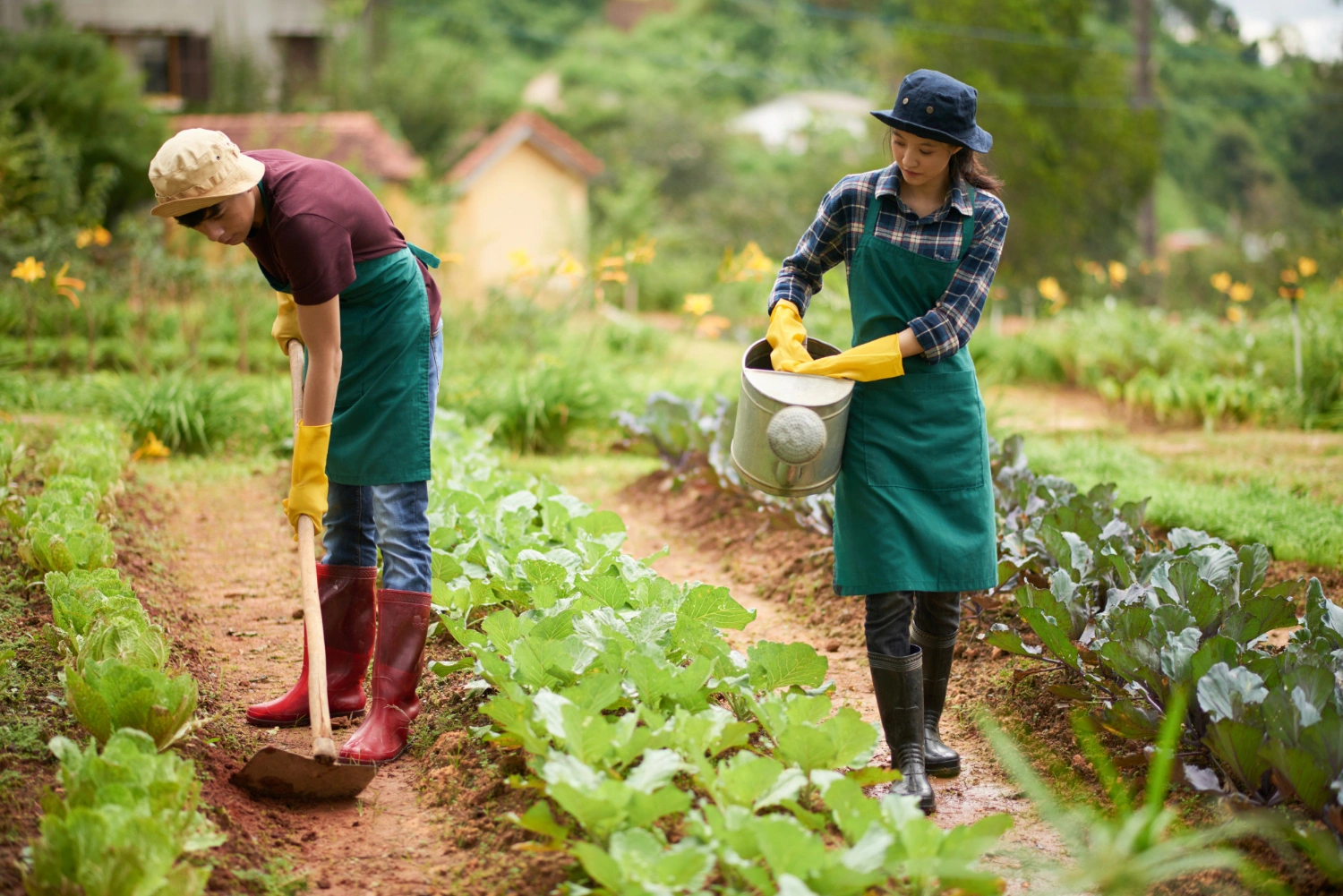
The federal government is launching a groundbreaking program that will see up to 33,000 foreign workers move from temporary status to permanent residency in 2026 and 2027. This pathway is meant to provide long-term stability to those who have already integrated into the workforce in Canada, especially in essential sectors facing acute labour shortages, including health care, construction, and technology.
Officials say the move recognizes the crucial long-term contributions of temporary workers who are filling essential roles and makes sure that those who support Canada’s economic and social infrastructure can make the country their permanent home.
Also Read
- Prince Edward Island Boosts Skilled Immigration Intake with Major March Draw
- Ontario Sends Over 1,100 ITAs in Region-Focused Selection Round
- Canada Speeds Up Temporary Visa Decisions in Latest IRCC Update
- Canada Relaxes Super Visa Income Rules for Families Sponsoring Parents and Grandparents
- Alberta Targets Healthcare, Tech, and Rural Talent in Latest PNP Draws
- Canada Immigration Backlog Drops Below One Million as Processing Speeds Improve
- CRS Drops to 393 in Latest French-Language Express Entry Draw
Sharp Decline in Temporary Admissions for 2026
Canada plans to drastically cut the admission of temporary residents starting in 2026 as part of a larger recalibration of immigration targets. The new framework outlines 385,000 total temporary resident entries, a sharp decline from the 673,650 projected for 2025.
The drop is reflected across all categories:
- International student intake is capped at 155,000, nearly half of last year’s target.
- Admissions of temporary foreign workers will decline to 230,000, down 37% from 2025.
While seeming steep, these cuts are apparently more reflective of current realities than a sudden shift in policy. As of August 2025, both student and worker admissions were well below annual projections, signaling the need to align future goals with actual capacity and trends.
A Shift Toward a More Targeted Labour Market Strategy
The administration of Prime Minister Mark Carney has spoken many times about how it wants to align temporary labour programs to better meet strategic and regional workforce demands. Allocations in the future will be given to economic sectors that are also experiencing skill shortages.
Targets for the Temporary Foreign Worker Program and the International Mobility Program are being rebalanced; the latter has traditionally been larger and will probably remain so. Combined, they are forecasted to include around 230,000 temporary workers in 2026, up moderately from projections in last year’s levels plan.
This restructuring also falls in line with the government’s goal of moving away from generalized labor imports toward more focused, sustainable employment-based immigration.
Permanent Resident Goals Hold Steady
While the temporary categories are scaled back, the permanent resident admissions target remains steady at 380,000 in 2026. However, the internal distribution of PR spots will see notable changes:
- Of this, the largest share, 239,800 admissions, would be under economic immigration programs.
- Family sponsorship numbers will decline marginally to 84,000, while refugee and humanitarian streams will decline to 56,200.
- This change boosts their share to 64% of all PRs, reflecting Ottawa’s determination that skilled immigration is a fundamental driver of prosperity in the long run.
Protection of Protected Persons & Rural Growth
The plan also includes measures to grant permanent residency to qualified Protected Persons who are already in Canada within the next two years. The federal government has again promised support for rural and remote communities by ensuring that immigration measures will be ‘tailored to regional labour gaps, and economic impacts created by new tariffs and trade pressures.’
These measures signal a more regionally responsive immigration system, which ensures smaller communities get an equal benefit from increased population and economic growth.
Balancing Ambition with Sustainability
Analysts describe the new plan as a strategic recalibration, rather than a retreat from immigration, since the number of newcomers entering on temporary permits would fall while placing more focus on long-term integration, economic alignment, and manageable population growth.
It sets the stage for a new phase of immigration management that balances opportunity with capacity, a plan the Government intends to outline in more detail in its next Annual Report to Parliament on Immigration covering the period 2026–2028.
Key Highlights at a Glance
- Up to 33,000 temporary residents will be granted PR between 2026–2027.
- Temporary admissions are expected to drop 43% overall from 2025 to 2026.
- Economic class immigrants represent nearly two-thirds of all new PRs.
- Stronger emphasis on regional needs, Protected Persons, and essential industries.
- PR intake steady at 380,000, signaling long-term commitment to skilled migration.
As Canada reshapes its immigration priorities, the new plan represents a turning point- from short-term population growth toward sustainable nation-building through permanent settlement and economic contribution. The full scope of these changes will become clear later this month, when Parliament releases the official immigration report.