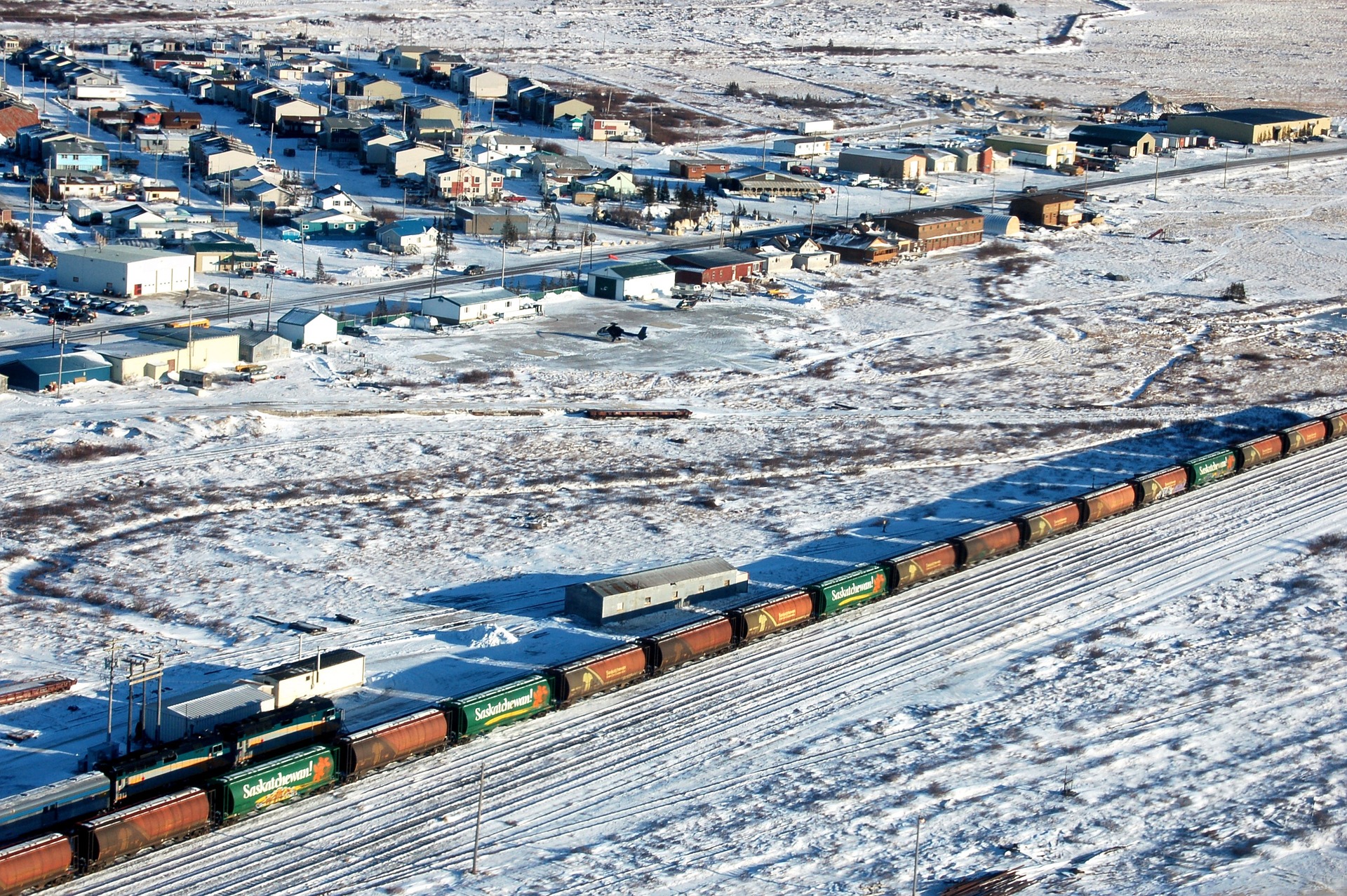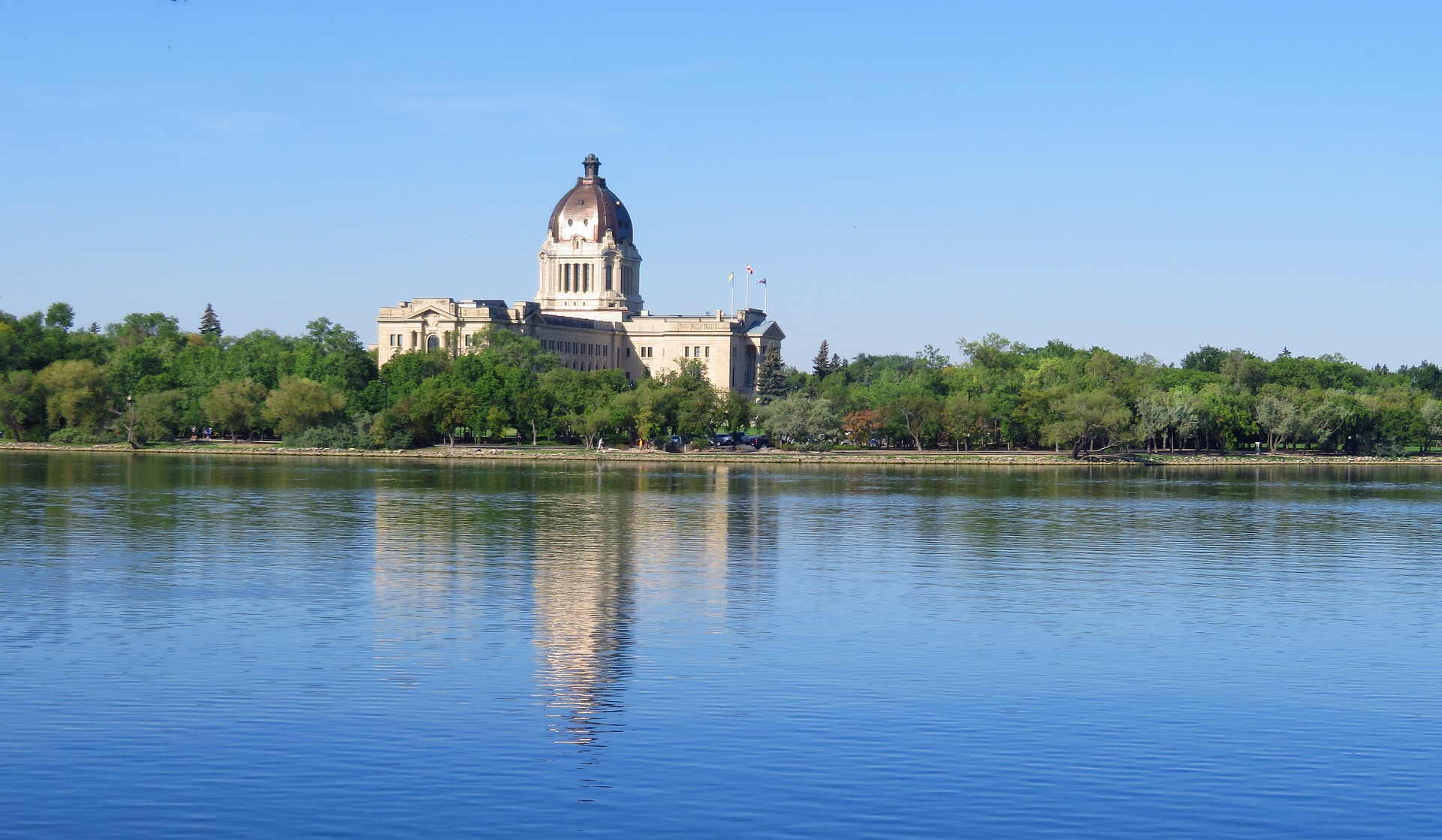
Saskatchewan kick-started the year with its first draws on March 7, 2024, issuing 35 Invitations to Apply (ITAs) across two crucial categories: Occupations In-Demand and Express Entry. The CRS score cutoff was 89 for both categories.
Also Read Saskatchewan Issues 35 ITAs to Occupations In-Demand and Express Entry Candidates
Occupations In-Demand:
• 14 candidates received ITAs with a minimum score of 89.
• Noteworthy, 14 of the invitees had Educational Credential Assessments or Canadian education.
• Selected occupations under the Express of Interest (EOI) system included specific National Occupational Classification (NOC) codes: 10011, 10021, 10022, 11102, 11109, and more.

Express Entry:
• 21 candidates secured ITAs with a minimum score of 89.
• Similar to the Occupations In-Demand category, 21 invitees had Educational Credential Assessments or Canadian education.
• The selected NOC codes for the EOI on March 7, 2024, mirrored those in the Occupations In-Demand category.
Also Read
- PEI PNP Records 1,482 Invitations in 2026 Following Latest October Selection
- Canada Introduces Wage-Based CRS Bonus for 186 Occupations
- Newfoundland and Labrador Records 17 Draws in 2026 as October ITAs Reach 131
- Canada Issues 5,000 Express Entry ITAs to French-Speaking Candidates in Latest Draw
- 2,500 CEC Candidates Invited with a CRS Cut-Off of 519 in New Express Entry Draw
- Manitoba PNP Invites 340 Candidates in New Draw for Canadian PR
- IRCC Issues 752 Invitations Under New Express Entry PNP Draw
- British Columbia PNP Draw Selects 287 Workers Across Four Sectors
- Prince Edward Island Invites 90 Candidates in Latest PNP Draw
Saskatchewan’s focus on specific occupations, coupled with a preference for candidates with robust educational backgrounds, underscores the province’s commitment to attracting skilled individuals who align with its economic needs. Prospective immigrants are advised to stay updated on Saskatchewan’s evolving immigration processes as the province continues to play a pivotal role in Canada’s immigration landscape.