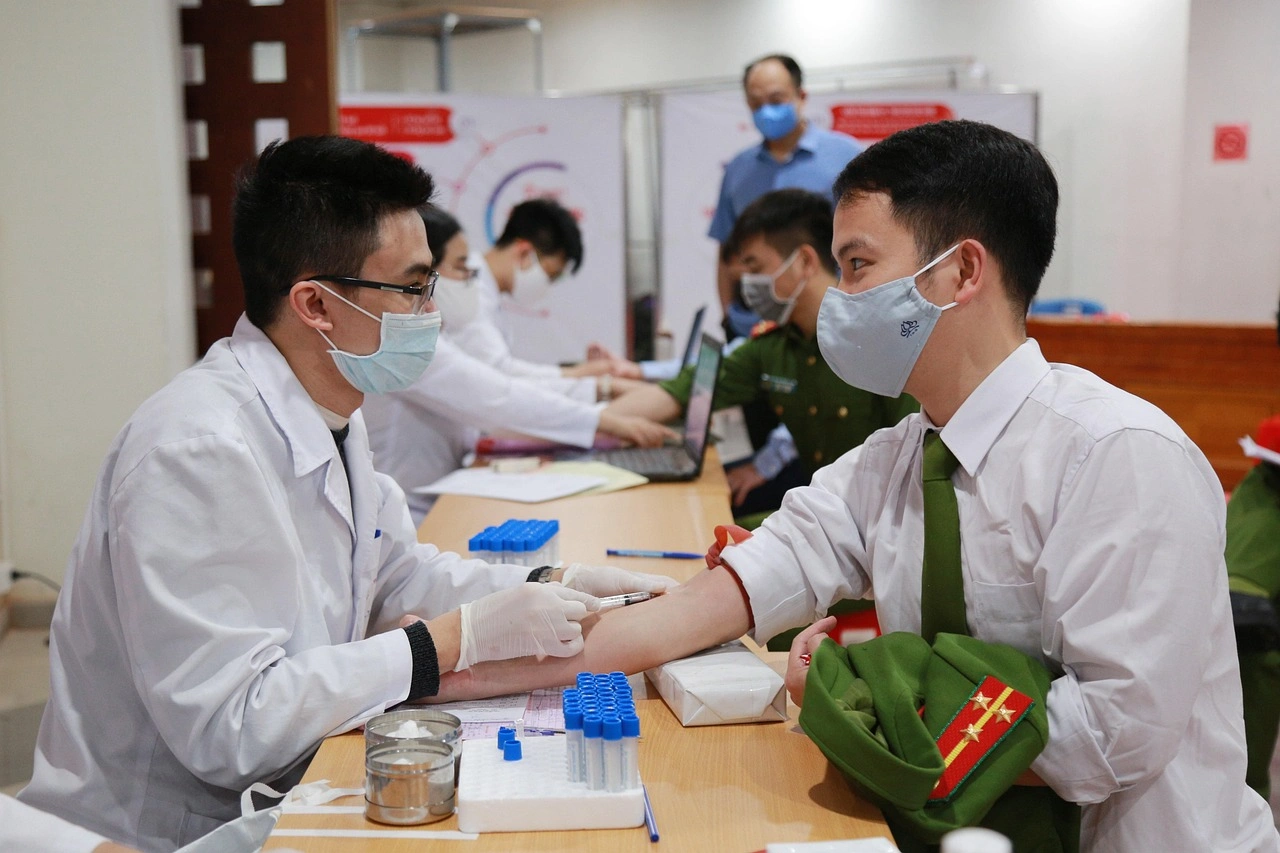
Canada is reshaping its immigration priorities to fast-track healthcare professionals into permanent residence, placing new emphasis on roles that require shorter and more practical education pathways. As pressure continues to mount on hospitals, pharmacies, long-term care homes, and emergency services, immigration policy is increasingly aligned with workforce urgency rather than lengthy academic timelines.
This shift creates a clear advantage for international students and skilled workers who choose healthcare programs that allow them to enter the labour market quickly while remaining eligible for long-term settlement.
Also Read Canada Prioritizes Healthcare Workers for PR with Shorter Study Paths
Why Shorter Healthcare Programs Matter More Than Ever
Canada’s healthcare system depends not only on doctors and registered nurses but also on a wide network of technical and support professionals. These roles are critical to patient care, daily operations, and system efficiency, and they can often be filled after one to two years of college training.
By prioritising these occupations in immigration selection, Canada is encouraging newcomers to pursue careers that balance rapid employability with long-term demand.
Healthcare Roles Gaining Immigration Priority
Several healthcare occupations that require limited study time are now closely aligned with permanent residence pathways. These roles typically involve hands-on training and direct patient interaction, making graduates highly employable across provinces.
Common examples include:
| Healthcare Occupation | Typical Program Duration |
| Medical laboratory assistants | Around 1 year |
| Nurse aides and patient care associates | 6 to 12 months |
| Therapy and assessment technicians | Up to 2 years |
| Paramedical professionals | 1 to 2 years |
| Pharmacy assistants and technical aides | 6 to 12 months |
| Pharmacy technicians | Approximately 2 years |
Because these professionals can be trained and deployed quickly, they play a key role in addressing immediate staffing shortages—one of the main reasons they are receiving immigration attention.
Top Stories
- Newfoundland and Labrador Records 62 Issues Immigration ITAs as 2026 Activity Continues
- PEI PNP Opens Another Route to PR With 195 Invitations in September Draw
- B.C. Invites 33 Workers Through Temporary Rural Health PR Pathway
- 250 Senior Managers Receive ITAs at CRS 389 in Latest Express Entry Draw
- 2,000 CEC Candidates Receive ITAs at CRS 519 in Latest Express Entry Draw
Regulation and Licensing Remain Essential
Even with shorter education timelines, healthcare remains a regulated field across Canada. Before starting work, professionals must receive approval from the relevant provincial regulatory body.
Licensing processes generally include:
- Proof of completed education and clinical training
- Successful completion of certification or licensing exams
- Verification of skills against Canadian standards
- Language proficiency and credential assessment
Some programs embed clinical placements into the curriculum, helping graduates meet licensing requirements faster. However, because regulation is handled provincially, requirements can vary depending on where candidates intend to work.
How Healthcare Experience Improves PR Prospects
Healthcare workers benefit from Canada’s Express Entry system, which manages applications for economic permanent residence. While all candidates are ranked using the Comprehensive Ranking System (CRS), those with healthcare experience increasingly benefit from targeted selection.
To enter Express Entry, applicants must generally:
- Complete an approved language test
- Qualify under a federal immigration program
- Submit an online profile
- Receive an Invitation to Apply (ITA)
Once in the system, candidates with in-demand healthcare experience may be selected through occupation-specific draws rather than general rounds.
Category-Based Draws Give Healthcare Workers an Advantage
Canada now conducts category-based Express Entry draws, selecting candidates from priority sectors such as healthcare and social services. These draws allow immigration authorities to invite professionals even when their CRS scores are lower than standard cut-offs.
Recent patterns show a clear difference:
- Healthcare-focused draws often require CRS scores in the mid-400 range
- General or Canadian Experience Class draws frequently exceed 500 points
Eligibility typically requires at least six months of recent, relevant work experience, making early workforce entry a major advantage.
Related Stories
- 250 Senior Managers Receive ITAs at CRS 389 in Latest Express Entry Draw
- 2,000 CEC Candidates Receive ITAs at CRS 519 in Latest Express Entry Draw
- Canada Issues 576 Express Entry ITAs to Provincial Nominees in Latest Draw
- Canada Sends 3,500 Express Entry Invitations to Healthcare and Social Services Professionals
- Canada Sends 229 Permanent Residence Invitations to Physicians With Canadian Experience
International Students Benefit from a Clearer Pathway
Healthcare diplomas are increasingly attractive to international students seeking permanent residence. Graduates gain Canadian credentials, access to regulated employment, and faster eligibility for immigration programs tied to Canadian work experience.
With an ageing population and rising healthcare demand, these roles are expected to remain stable and in demand, making them a strategic choice for students planning long-term settlement.
A Practical Route to Permanent Residence
Canada’s renewed focus on healthcare immigration reflects a broader goal: strengthening essential services while ensuring newcomers can integrate quickly into the economy.
For aspiring immigrants, shorter healthcare programs offer a compelling formula, less time in school, faster employment, and stronger alignment with PR-focused immigration draws. As targeted selection continues, healthcare professionals trained in Canada are likely to remain among the most competitive candidates in the country’s immigration system.