A sweeping new academic framework between Canada and India is set to transform student mobility, research collaboration, and cross-border innovation. Announced on March 2, 2026, by the office of Prime Minister Mark Carney, the initiative introduces substantial scholarship funding, new institutional alliances, hybrid academic hubs in India, and expanded cooperation in emerging industries.
The agreement reflects a coordinated effort to deepen structured engagement between the two countries’ higher education ecosystems.
Also Read Canada Launches $100M Scholarships and New University Partnerships with India
$100 Million Scholarship Commitment to Attract Indian Talent
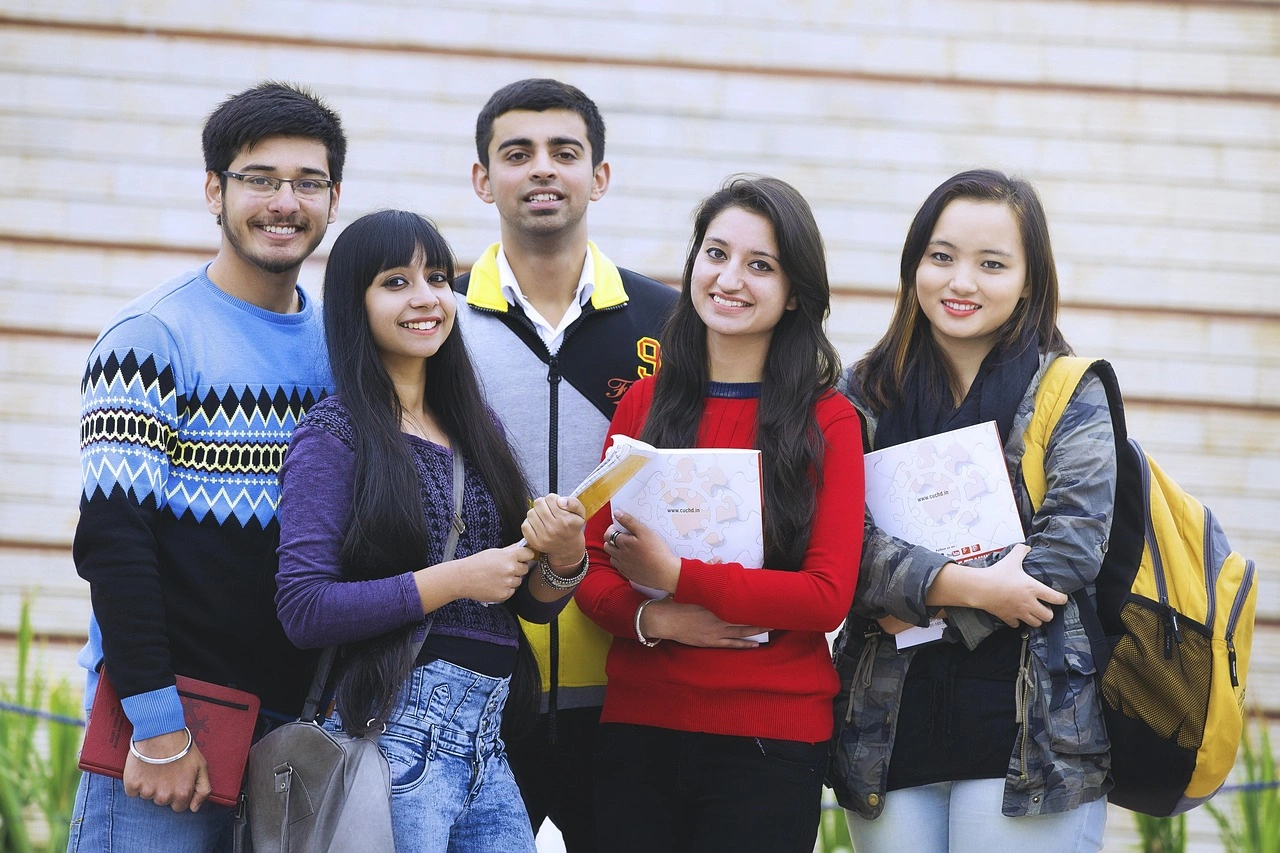
A cornerstone of the announcement is a $100 million financial commitment spearheaded by the University of Toronto. The funding will support up to 200 fully funded scholarships for Indian students pursuing higher education in Canada.
The scholarships aim to attract academically exceptional candidates across disciplines, particularly in high-impact research fields and advanced technology sectors. By investing at this scale, Canada positions itself competitively in the global race for international students.
Establishment of New India-Based Academic Hubs
The partnership also includes the creation of hybrid learning and research centers within India, designed to integrate Canadian academic expertise with Indian institutions.
Key initiatives include:
- An innovation campus developed collaboratively by Dalhousie University, Indian Institute of Technology Tirupati, and Indian Institute of Science Education and Research Tirupati.
- A University of Toronto Center of Excellence dedicated to artificial intelligence research and cross-border collaboration.
- A McGill University Center of Excellence in India focused on advancing AI research partnerships and applied innovation.
These hubs are expected to serve as platforms for joint research projects, knowledge transfer, and talent development in high-demand sectors such as artificial intelligence and advanced technologies.
Top Stories
- Canada Introduces Wage-Based CRS Bonus for 186 Occupations
- Newfoundland and Labrador Records 17 Draws in 2026 as October ITAs Reach 131
- Canada Issues 5,000 Express Entry ITAs to French-Speaking Candidates in Latest Draw
- 2,500 CEC Candidates Invited with a CRS Cut-Off of 519 in New Express Entry Draw
- Manitoba PNP Invites 340 Candidates in New Draw for Canadian PR
Expanding Collaboration into Creative and Cultural Fields
The bilateral framework goes beyond science and engineering. A newly formalized Memorandum of Understanding opens pathways for institutional partnerships in:
- Performing arts
- Visual arts
- Music
- Publishing and literature
- Entertainment technologies
- Creative industries
This broad-based collaboration underscores a recognition that educational ties can extend into cultural and artistic innovation, fostering deeper people-to-people engagement.
Overview of the 13 New Institutional Agreements
Thirteen new agreements have been signed between Canadian and Indian universities to promote student mobility, faculty exchange, collaborative research, dual-degree models, and structured academic pathways.
Below is the full list of participating institutions and their focus areas:
| Canadian University | Indian University | Details of MOU |
| University of British Columbia | O.P. Jindal Global University | • Promote faculty and student exchanges• Encourage collaborative research initiatives |
| Simon Fraser University | O.P. Jindal Global University | • Advance student and faculty mobility• Develop joint academic programs• Expand collaborative and transnational research opportunities |
| University of the Fraser Valley | Panjab University | • Facilitate exchange programs• Create joint academic offerings• Strengthen research collaboration• Introduce cohort-based mobility framework |
| Algoma University | Parul University | • Promote joint research• Enable exchanges• Offer short-term academic programs• Establish pathways for eligible Computer Science and Engineering students |
| Algoma University | Chandigarh University | • Expand existing collaboration• Support research initiatives• Promote academic exchanges• Develop pathway models for psychology, computer applications, and management students |
| Dalhousie University | SRM Institute of Science and Technology | • Launch Nursing Dual Degree Program• Provide 25 Indian Nursing Council-approved supernumerary seats• Offer dual credentials• Include clinical placements in Canada• Explore nursing practice pathway in Nova Scotia |
| Dalhousie University | Indian Council of Agricultural Research | • Collaborate in digital agriculture• Focus on climate-resilient farming• Support horticulture, aquaculture, and animal husbandry research• Strengthen academic ties in agricultural sciences |
| University of Guelph | O.P. Jindal Global University | • Enable mobility for research and professional training |
| Brock University | O.P. Jindal Global University | • Support faculty cooperation• Facilitate time-bound exchanges in public health, sports management, and business |
| Royal Roads University | O.P. Jindal Global University | • Promote structured student and faculty exchange programs |
| Simon Fraser University | Hydrogen Association of India | • Collaborate on hydrogen research• Support clean energy innovation• Advance technology development partnerships |
| University of Toronto | Indian Institute of Science | • Drive AI-focused research collaboration• Engage the Temerty Centre for AI Research and Education in Medicine• Launch joint AI initiatives |
| University of Toronto | Jio Institute | • Develop AI and management collaborations• Enable academic and research exchanges |
A Shift Toward Structured Academic Diplomacy
The agreements follow a major February 2026 visit by over 20 Canadian university presidents to India, the largest academic delegation Canada has ever sent to the country. The scale and coordination of these agreements signal a move toward long-term, institutionalized cooperation rather than isolated partnerships.
By integrating research collaboration, dual-degree pathways, and innovation centers, the two nations are building a more cohesive educational bridge.
Related Stories
- Canada Updates Processing Times: Faster Decisions for Work and Study Permits
- Canada and India Strengthen Education Ties with Major Scholarship Boost of $100M
- Canada Locks PGWP Eligibility Rules for 2026
- Canada Tightens and Redefines Its International Student Framework in 2025
- Canada Prepares Major Immigration Reforms for International Students and Temporary Workers in 2026
Strengthening Long-Term People-to-People Connections
India remains one of Canada’s primary sources of international students and skilled immigrants. With more than 1.8 million Canadians of Indian origin, the educational relationship is supported by deep demographic and cultural connections.
The newly unveiled measures, ranging from scholarship funding to AI research centers and agricultural innovation partnerships, reflect a forward-looking strategy aimed at linking talent development with research excellence and economic growth.
As these agreements move from signing to implementation, the Canada–India education corridor appears poised for significant expansion, potentially reshaping academic cooperation between the two countries for years to come.