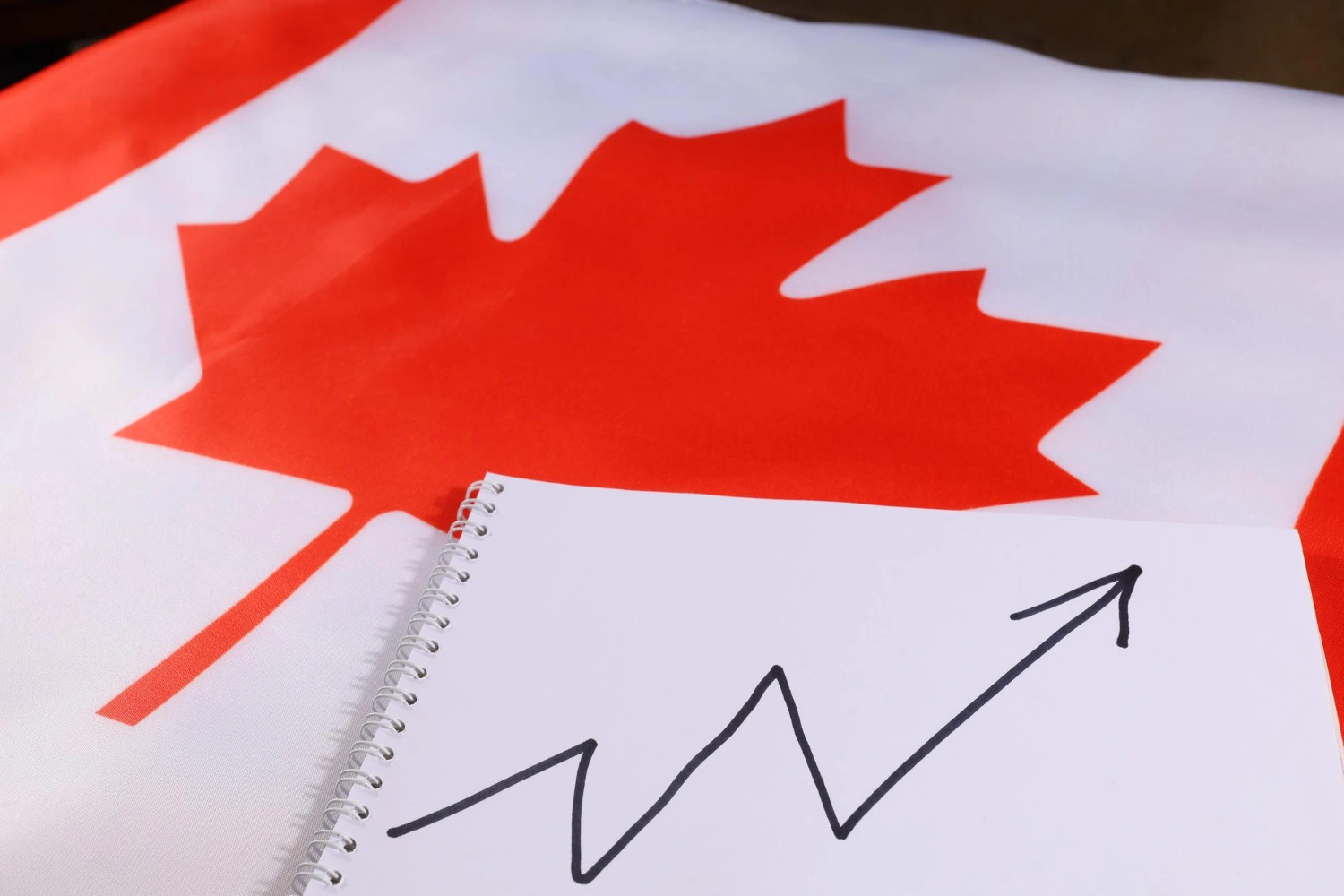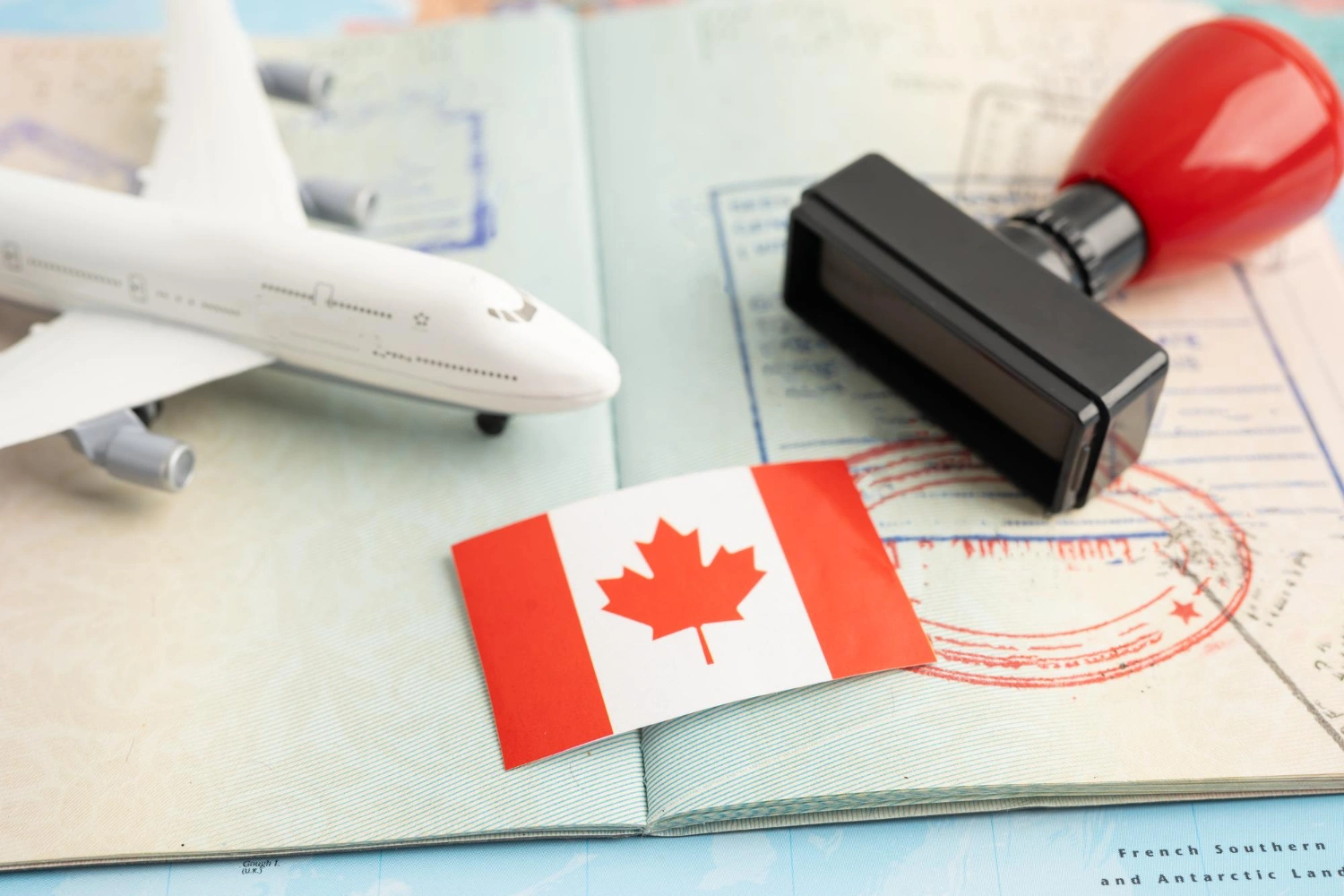
Canada’s immigration system is showing signs of improved efficiency, as the latest update from Immigration, Refugees and Citizenship Canada reveals shorter processing timelines across major temporary visa categories. The recent data indicate that applicants are now experiencing faster decisions for work permits, study permits, visitor visas, and super visas, with no category reporting longer wait periods.
This positive shift reflects ongoing efforts to streamline application handling and reduce overall processing pressure.
Also Read Canada Cuts Temporary Visa Processing Times Across Key Categories
Faster Processing Trends Across Visa Categories
The newest figures highlight a consistent pattern: processing times are either decreasing or holding steady. Several countries have seen noticeable improvements, making it easier for applicants to plan their travel or relocation timelines.
Key trends observed in this update include:
- Significant reductions in super visa processing durations globally
- Faster study permit decisions, particularly for certain regions
- Shorter visitor visa wait times for high-demand countries like India
- Minor but meaningful improvements in work permit processing
These developments suggest a more balanced and responsive immigration system.
Top Stories
- Latest September Manitoba PNP Draw Invites 417 STEM Workers
- British Columbia PNP Invites Entrepreneurs in New September Draw
- Newfoundland and Labrador Records 62 Issues Immigration ITAs as 2026 Activity Continues
- PEI PNP Opens Another Route to PR With 195 Invitations in September Draw
- B.C. Invites 33 Workers Through Temporary Rural Health PR Pathway
Work Permits: Stable with Minor Gains
Work permit timelines have not seen drastic changes, but slight reductions in processing time indicate gradual progress. Applicants from Pakistan and the United States have benefited the most from these adjustments.
| Applying from | Current Time | Previous Time |
| Inside Canada | 255 days | 259 days |
| India | 7 weeks | 7 weeks |
| Pakistan | 29 weeks | 30 weeks |
| Nigeria | 13 weeks | 13 weeks |
| United States | 8 weeks | 9 weeks |
| Philippines | 7 weeks | 7 weeks |
Expected processing benchmarks:
- Within Canada: 120 days
- Outside Canada: 60 days
- Youth mobility programs: 56 days
Study Permits: Noticeable Drop in Waiting Periods
Study permit processing has improved, especially for applicants applying from Pakistan, where timelines dropped significantly. In-Canada applicants also saw slight improvements.
| Applying from | Current Time | Previous Time |
| Inside Canada | 8 weeks | 9 weeks |
| India | 4 weeks | 4 weeks |
| Pakistan | 11 weeks | 15 weeks |
| Nigeria | 8 weeks | 8 weeks |
| United States | 5 weeks | 5 weeks |
| Philippines | 5 weeks | 5 weeks |
Standard processing targets:
- Domestic applications: 120 days
- Overseas applications: 60 days
Visitor Visas: India Sees Major Improvement
Processing times for visitor visas have shortened for most countries, with India seeing one of the largest reductions. Only a few regions recorded unchanged timelines.
| Applying from | Current Time | Previous Time |
| Inside Canada | 12 days | 18 days |
| India | 37 days | 57 days |
| Pakistan | 48 days | 49 days |
| Nigeria | 52 days | 53 days |
| United States | 15 days | 17 days |
| Philippines | 14 days | 14 days |
Typical benchmark:
- Overseas applications: 14 days
Super Visas: The Biggest Turnaround
Among all temporary residence categories, super visas experienced the most dramatic improvement. Applicants from the Philippines and the United States saw particularly sharp declines in waiting periods.
| Applying from | Current Time | Previous Time |
| India | 202 days | 208 days |
| Pakistan | 122 days | 132 days |
| Nigeria | 43 days | 44 days |
| United States | 185 days | 207 days |
| Philippines | 50 days | 85 days |
Processing target:
- 112 days
Related Stories
- Latest September Manitoba PNP Draw Invites 417 STEM Workers
- British Columbia PNP Invites Entrepreneurs in New September Draw
- Newfoundland and Labrador Records 62 Issues Immigration ITAs as 2026 Activity Continues
- PEI PNP Opens Another Route to PR With 195 Invitations in September Draw
- B.C. Invites 33 Workers Through Temporary Rural Health PR Pathway
How Processing Timelines Are Calculated
As outlined by Immigration, Refugees and Citizenship Canada, processing times represent estimated decision-making periods after an application is submitted.
- Online applications are counted from the moment they are submitted
- Paper applications begin processing once physically received
Two types of timelines are used:
- Past-based estimates, reflecting how long applications took historically
- Forward estimates, based on current workloads and expected output
In contrast, service standards are internal goals aimed at completing most applications within a specific timeframe, typically around 80% of total cases.
Impact on Applicants Planning for Canada
Shorter processing times can make a meaningful difference for individuals planning to visit, study, or work in Canada. Reduced waiting periods allow for better planning and quicker decision-making.
However, timelines can still vary depending on application completeness, background checks, and overall demand. Submitting accurate and well-prepared applications remains essential to avoid delays.
Looking Ahead
Temporary visa processing updates are released frequently, offering applicants regular insights into expected timelines. Meanwhile, updates for permanent residence and citizenship follow a monthly schedule.
With continued improvements underway, Canada’s immigration system appears to be moving toward greater efficiency and predictability for global applicants.