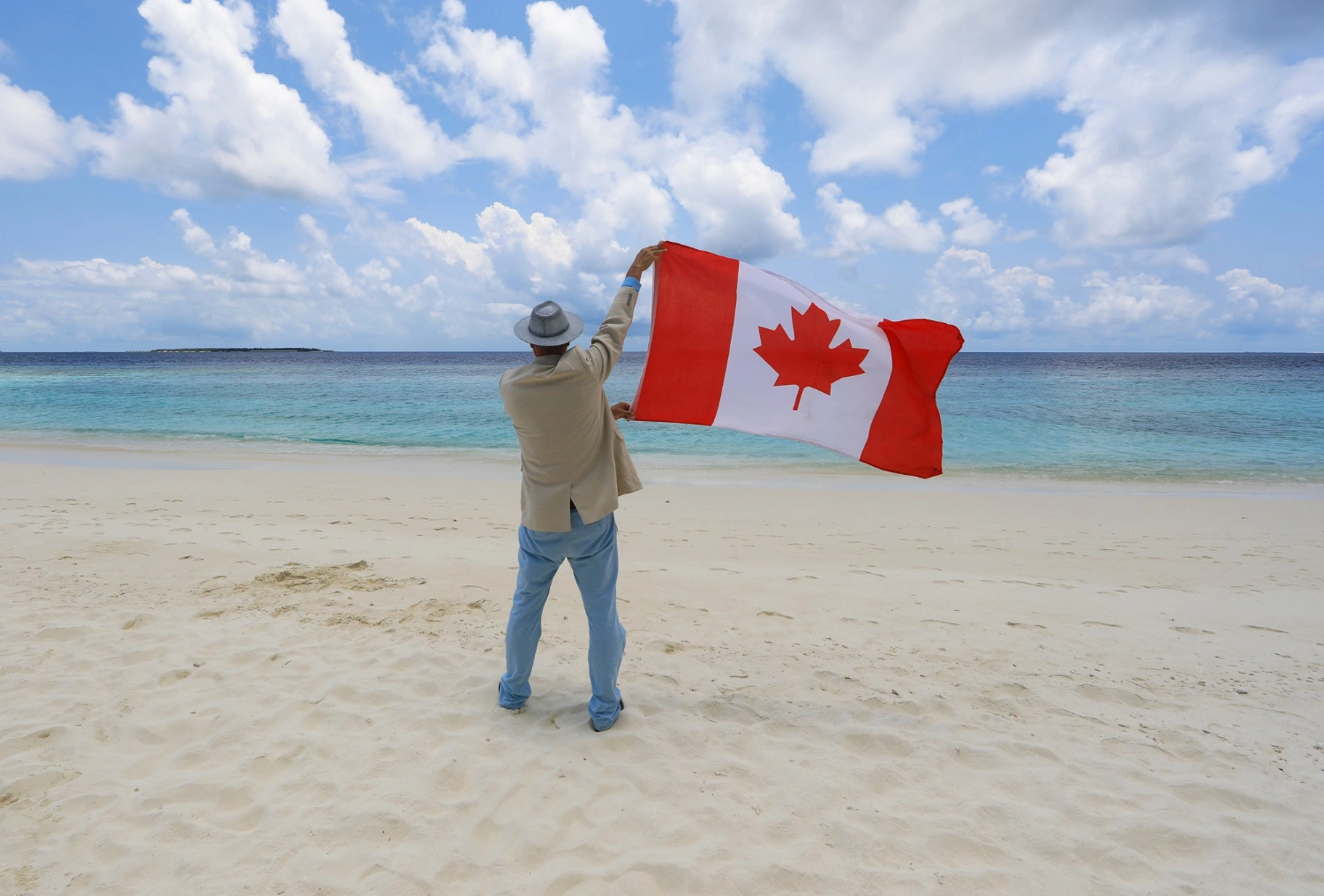
Canada has once again secured a place among the world’s leading nations after being featured in the latest 2026 global country rankings released by U.S. News & World Report.
The updated report placed Canada 19th overall in a newly redesigned international ranking system that evaluates countries using measurable economic, social, institutional, and environmental data. While the country’s overall position shifted compared to earlier years, Canada continued to perform strongly in several areas tied to quality of life, tourism appeal, governance, and opportunities for residents and newcomers.
The revised rankings were officially published on May 14 and introduced a completely new assessment model focused on hard statistical evidence instead of public opinion surveys.
Also Read Canada Secures Spot Among World’s Leading Nations in 2026 Ranking
Europe Dominates the Global Top 10
This year’s rankings were heavily led by European nations, which occupied most of the highest positions worldwide. Switzerland emerged as the top-ranked country globally, followed closely by several Nordic and Western European economies recognized for their strong governance systems and high living standards.
The top 10 countries in the 2026 report are listed below:
| Rank | Country |
| 1 | Switzerland |
| 2 | Denmark |
| 3 | Sweden |
| 4 | Germany |
| 5 | Netherlands |
| 6 | Norway |
| 7 | United Kingdom |
| 8 | Finland |
| 9 | Luxembourg |
| 10 | Austria |
Out of the top 25 countries worldwide, 18 were from Europe, highlighting the region’s continued dominance in economic stability, public infrastructure, and governance indicators.
Several Asia-Pacific nations also recorded strong results. Australia ranked 14th overall, while Singapore, Japan, and South Korea all secured positions within the global top 20.
Meanwhile, the United States finished one spot ahead of Canada in 18th place.
Top Stories
- British Columbia PNP Draw Selects 287 Workers Across Four Sectors
- Prince Edward Island Invites 90 Candidates in Latest PNP Draw
- Ontario Invests $20 Million to Speed Up Medical Licensing for Foreign Doctors
- Ontario Boosts PR Points for $80K Earners
- Alberta Invites 1,110 Candidates Through 9 PNP Selections in September 2026
Tourism and Cultural Diversity Remain Canada’s Biggest Strengths
Among all evaluated categories, Canada achieved its best result in the Culture & Tourism segment, where it ranked 8th worldwide.
This category measured several factors connected to a country’s international cultural influence and tourism appeal, including:
- Global visitor attraction;
- Heritage and historical landmarks;
- Cultural diversity;
- Museums and creative industries;
- International recognition in arts and innovation; and
- Linguistic and multicultural representation.
The report specifically highlighted Canada’s multicultural identity, which has played a major role in shaping the country’s immigration system and international reputation over the decades.
Canada’s ability to attract immigrants, international students, tourists, and skilled professionals continues to support its image as one of the world’s most welcoming destinations.
Canada’s Performance Across Major Categories
The 2026 rankings evaluated countries using eight broad scoring categories supported by 24 subcategories and 100 separate indicators.
Canada’s results across these categories are shown below:
| Ranking Criteria | Rank |
| Culture & Tourism | 8 |
| Governance | 18 |
| Opportunity | 18 |
| Infrastructure | 20 |
| Economic Development | 21 |
| Health | 27 |
| Civic Health | 27 |
| Natural Environment | 63 |
Canada maintained competitive positions in governance, economic opportunity, and infrastructure, reflecting the country’s stable institutions, public systems, and overall development standards.
However, the country recorded its lowest ranking in the Natural Environment category. This section examined measurable environmental performance indicators such as air quality management, biodiversity protection, and sustainability initiatives.
Despite Canada’s global image as a nature-rich destination, environmental scoring metrics significantly affected its final standing in this area.
Related Stories
- 3,500 Skilled Trades Workers Invited in New Express Entry Draw for Canada PR
- Canada Issues 2,000 ITAs to CEC Candidates in New Express Entry Draw
- Canada Issues 733 Express Entry ITAs to Provincial Nominees in Latest Draw
- Newfoundland and Labrador Records 62 Issues Immigration ITAs as 2026 Activity Continues
- PEI PNP Opens Another Route to PR With 195 Invitations in September Draw
Why Canada’s Overall Rank Changed This Year
Canada ranked much higher in previous editions of the report, securing 2nd place in 2023 and 4th place in 2024.
The shift to 19th position in 2026 does not necessarily indicate a sharp decline in Canada’s global standing. Instead, it mainly reflects the major redesign of the ranking methodology.
Earlier editions were largely based on international perception surveys that gathered opinions from thousands of respondents worldwide. Countries were judged using themes such as quality of life, cultural influence, entrepreneurship, and social purpose.
Canada consistently excelled under that framework because of its strong international reputation for safety, diversity, healthcare access, and immigration opportunities.
The 2026 edition moved away from public perception and instead relied on statistical information sourced from organizations such as:
- United Nations;
- World Bank;
- Organisation for Economic Co-operation and Development; and
- International Labour Organization.
As a result, countries were required to demonstrate balanced performance across a wider range of measurable indicators to achieve higher rankings.
Inside the New Ranking Formula
According to the report, the 2026 evaluation process examined 100 statistical indicators connected to national development and well-being.
These indicators were grouped into smaller subcategories before being combined into eight primary scoring areas. Final country scores were then calculated using a geometric mean system designed to reward consistency across all categories.
Unlike traditional averaging methods, this system reduces the advantage of countries that perform exceptionally well in only one or two areas while underperforming elsewhere.
The weighting system for each category was developed with input from 42 international experts from universities, policy institutes, and global organizations. Governance and Economic Development carried the highest influence in determining final rankings.
Countries were eligible for inclusion only if they ranked within the top 125 nations in the Human Development Index and had sufficient statistical data available across most indicators.
Canada Continues to Attract Global Attention
Even with changes in methodology and rankings, Canada remains one of the world’s most recognized destinations for immigration, education, employment, and tourism.
Its strong performances in culture, governance, infrastructure, and opportunity continue to reinforce Canada’s global reputation as a preferred destination for skilled workers, international students, entrepreneurs, and families seeking long-term settlement opportunities.
The latest rankings also demonstrate that Canada continues to hold a strong position internationally despite evolving evaluation systems and increased global competition among developed nations.