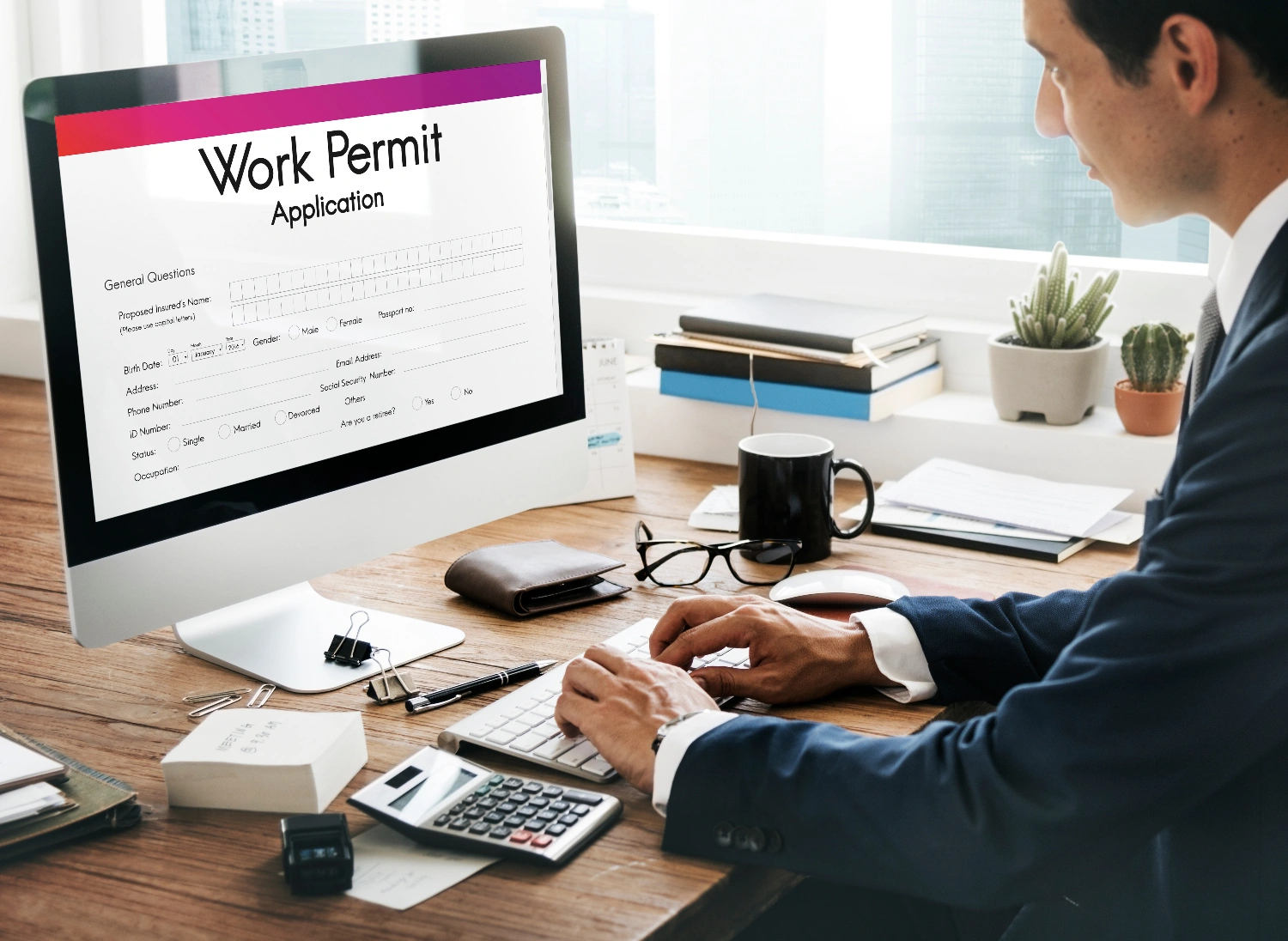
Canada’s immigration department has released its latest update on temporary residence application processing timelines, revealing notable improvements in several categories while highlighting slower movement in others. The newly published figures provide insight into how quickly applications are currently being handled compared to mid-April, offering a clearer picture for applicants planning their next steps.
The most significant gains have been observed in work permit and study permit processing, particularly for applicants from Pakistan and Nigeria, while visitor visa timelines have shown slight increases across most regions.
Also Read Canada Revises Temporary Visa Processing Timelines: Faster Time for Key Applications
Work Permit Processing Sees Major Improvements
Recent data indicate a broad reduction in processing times for work permit applications across multiple countries. Applicants from Pakistan experienced the most substantial improvement, with processing timelines reduced by eight weeks, while Nigeria saw a six-week reduction.
This trend suggests a focused effort to clear backlogs or improve operational efficiency in key regions.
Work Permit Processing Times Comparison
| Applying from | Current processing time | Processing time as of April 15 |
| Canada | 217 days | 240 days |
| India | 9 weeks | 8 weeks |
| Pakistan | 8 weeks | 16 weeks |
| Nigeria | 7 weeks | 13 weeks |
| United States | 6 weeks | 7 weeks |
| Philippines | 7 weeks | 7 weeks |
Service Standards for Work Permits
| Category | Standard Processing Time |
| In-Canada applications (initial and extensions) | 120 days |
| Outside Canada applications | 60 days |
| International Experience Canada permits | 56 days |
Top Stories
- Quebec Selects 790 Skilled Workers in Latest PSTQ Immigration Round
- Canada’s Latest Express Entry Round Invites 2,000 Candidates With Canadian Work Experience
- British Columbia Holds New Draw for Entrepreneurs With 16 PNP Invitations
- Canada Holds New Express Entry Draw, Invites 562 Provincial Nominees
- Manitoba PNP Draw Targets In-Demand Workers With 741 New Invitations
Study Permit Timelines Show Mixed Movement
Processing times for study permits have either improved or remained stable for most countries, although some regions, including India and the United States, experienced slight increases.
Pakistan recorded the most notable improvement, with processing times dropping by three weeks, indicating faster decision-making for student applicants from the region.
Study Permit Processing Times Comparison
| Applying from | Current processing time | Processing time as of April 15 |
| Canada | 8 weeks | 8 weeks |
| India | 4 weeks | 3 weeks |
| Pakistan | 9 weeks | 12 weeks |
| Nigeria | 5 weeks | 7 weeks |
| United States | 6 weeks | 4 weeks |
| Philippines | 4 weeks | 5 weeks |
Service Standards for Study Permits
| Category | Standard Processing Time |
| In-Canada applications (initial and extensions) | 120 days |
| Outside Canada applications | 60 days |
Related Stories
- Quebec Selects 790 Skilled Workers in Latest PSTQ Immigration Round
- Canada’s Latest Express Entry Round Invites 2,000 Candidates With Canadian Work Experience
- British Columbia Holds New Draw for Entrepreneurs With 16 PNP Invitations
- Canada Holds New Express Entry Draw, Invites 562 Provincial Nominees
- Manitoba PNP Draw Targets In-Demand Workers With 741 New Invitations
Visitor Visa Processing Slows Slightly
In contrast to the improvements seen in other categories, visitor visa processing times have increased modestly across all listed countries. The rise ranges from one to five days, with Pakistan seeing the largest increase during this period.
Although the increases are relatively small, they reflect ongoing fluctuations in visitor visa demand and processing capacity.
Visitor Visa Processing Times Comparison
| Applying from | Current processing time | Processing time as of April 15 |
| Canada | 11 days | 10 days |
| India | 27 days | 23 days |
| Pakistan | 48 days | 43 days |
| Nigeria | 45 days | 42 days |
| United States | 22 days | 18 days |
| Philippines | 17 days | 15 days |
Service Standards for Visitor Visas
| Category | Standard Processing Time |
| Outside Canada applications | 14 days |
| In-Canada applications | Not applicable |
Super Visa Applications Processed Faster
Applicants applying for super visas have seen encouraging improvements, with processing times decreasing across all regions reviewed. The most dramatic reduction was observed for applicants from the United States, where timelines dropped by seven weeks.
Meanwhile, Nigeria recorded a smaller improvement, with processing times reduced by just two days.
Super Visa Processing Times Comparison
| Applying from | Current processing time | Processing time as of April 15 |
| India | 168 days | 182 days |
| Pakistan | 102 days | 107 days |
| Nigeria | 37 days | 39 days |
| United States | 115 days | 164 days |
| Philippines | 34 days | 37 days |
Service Standard for Super Visas
| Category | Standard Processing Time |
| Super Visa Applications | 112 days |
Note: Super visa applications must be submitted from outside Canada.
Processing Times vs Service Standards: What Applicants Should Know
Understanding the distinction between processing times and service standards is essential for applicants navigating Canada’s immigration system.
Processing times represent estimated durations based on real application data. These estimates begin from the moment an application is submitted online or when a paper application is received by the immigration department.
There are two main types of processing time estimates:
- Historical estimates, which are based on how long it took to finalize the majority (approximately 80%) of applications in the past.
- Forward-looking estimates, which take into account current application volumes and projected processing capacity.
Service standards, on the other hand, function as internal performance benchmarks. These targets indicate how long authorities aim to take when processing most applications, with the expectation that around 80% of cases will be completed within the defined timeframe. The remaining applications may take longer due to complexity or additional review requirements.
While processing times are updated frequently to reflect real-time conditions, service standards tend to remain unchanged for longer periods, with the last major revisions for temporary residence categories having been implemented several years ago.
Key Takeaways
The latest update signals positive momentum for applicants seeking work permits and study permits, particularly from countries that previously faced longer wait times. However, the slight increase in visitor visa processing times highlights that not all categories are moving in the same direction.
For prospective applicants, these trends emphasize the importance of staying informed about current timelines and planning applications strategically to account for ongoing fluctuations in processing speeds.