Canada’s provincial immigration landscape is undergoing a noticeable recalibration. Recent announcements from Saskatchewan and Alberta show how provinces are adjusting nomination strategies, one by outlining a targeted roadmap for 2026, and the other by formally closing its program for the remainder of 2025.
Together, these updates offer an early look at how Provincial Nominee Programs may operate in the coming year.
Also Read Alberta Shuts the Door on 2025 Nominations as Saskatchewan Redefines PNP Priorities for 2026
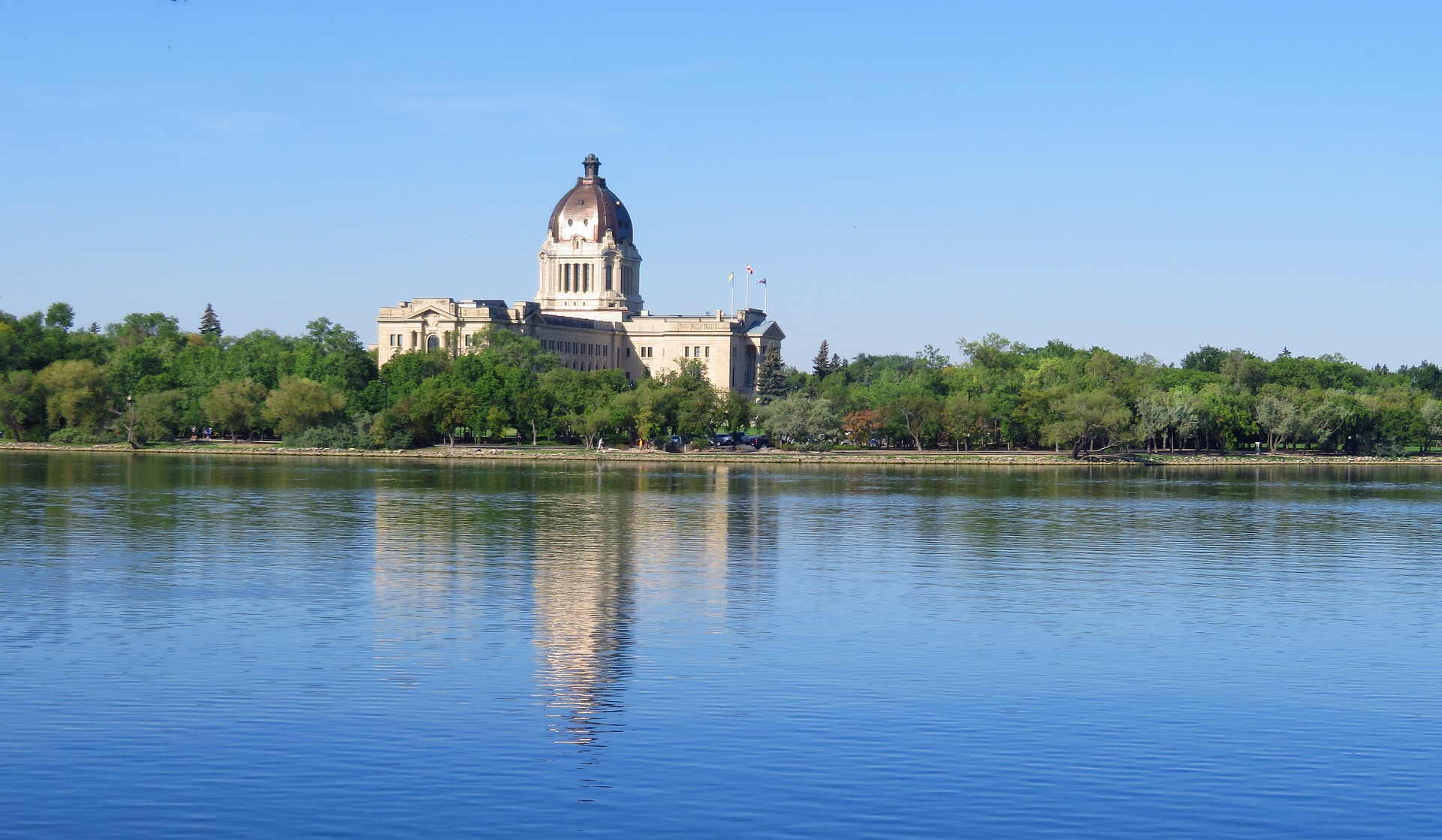
Saskatchewan Reveals How It Will Use Its 2026 PNP Quota
Saskatchewan has confirmed that it will enter 2026 with 4,761 provincial nominations, matching its final total from 2025 after mid-year adjustments.
No Invitations Issued in This Update
This announcement does not relate to a draw or selection round.
- ITAs issued: None
- CRS cut-off: Not applicable
Instead, the province has clarified how nominations will be distributed across sectors and applicant categories next year.
Top Stories
- Canada Ends March with Major Express Entry Draw Targeting CEC Candidates
- Canada Conducts New Express Entry Draw, Invites Provincial Nominees
- Prince Edward Island Boosts Skilled Immigration Intake with Major March Draw
- Ontario Sends Over 1,100 ITAs in Region-Focused Selection Round
- Canada Speeds Up Temporary Visa Decisions in Latest IRCC Update
- Canada Relaxes Super Visa Income Rules for Families Sponsoring Parents and Grandparents
- Alberta Targets Healthcare, Tech, and Rural Talent in Latest PNP Draws
Half of All Nominations Reserved for Key Industries
Saskatchewan plans to allocate a minimum of 50 per cent of its total nominations to priority sectors that are critical to its economy. These include:
- Healthcare
- Agriculture
- Skilled trades
- Mining
- Manufacturing
- Energy
- Technology
Within this priority allocation, 750 nominations will be dedicated to graduates of Saskatchewan-based DLIs who are employed in eligible priority occupations.
Candidates in these sectors will benefit from greater flexibility, as applications will not be tied to fixed intake windows and may be submitted from outside Canada.
Sector Caps and Narrowed Graduate Pathways
While priority sectors gain expanded access, Saskatchewan has confirmed that certain industries will continue to face restrictions. The following sectors will collectively be capped at 25 per cent of total nominations:
- Accommodation and food services
- Trucking
- Retail trade
Applications from these fields will only be accepted during limited intake periods in 2026.
The province has also tightened eligibility rules for post-graduation work permit holders. Graduates who completed studies outside Saskatchewan will no longer qualify through Saskatchewan Experience pathways, and several open work permit categories, including some spousal permits, will face new exclusions.
Alberta Confirms Final 2025 Draws and Pauses PNP Activity
While Saskatchewan looks ahead, Alberta has officially concluded its PNP operations for 2025, having reached its full nomination capacity for the year.
Final Draw Outcomes for 2025
Alberta issued its last Invitations to Apply through healthcare-specific selection rounds under the Dedicated Health Care Pathway.
- Total ITAs issued: 107
- Number of draws: 2
- CRS cut-off: Not publicly disclosed
Alberta does not consistently publish CRS scores for its PNP draws, and no CRS data was released for these final rounds.
Alberta’s 2025 PNP Activity at a Glance
Throughout 2025, Alberta emerged as one of the most active provinces in the immigration space:
- Over 6,700 nominations issued
- 77 draws have been conducted, the highest among all provinces
Most nominations were granted through the Alberta Opportunity Stream, followed by the Rural Renewal Stream and healthcare-focused pathways. Although Alberta conducted numerous Express Entry-aligned draws, the majority of invitations went to candidates already working within the province.
Related Stories
- Alberta Targets Healthcare, Tech, and Rural Talent in Latest PNP Draws
- Alberta Steps Up Immigration Efforts with Major February Invitation Rounds
- Alberta Rolls Out Series of Targeted Immigration Invitations in February 2026
- Alberta Begins 2026 with Major Immigration Draws, Issues 1,169 ITAs
- Alberta Reveals Immigration Focus for 2026 as Provincial Nominations Increase
- Two Provinces, Two Directions: Saskatchewan Maps 2026 PNP Priorities While Alberta Wraps Up 2025
- Alberta Ramps Up Immigration Intake With Major November Draws
No Further ITAs Until 2026
Alberta has confirmed:
- No additional invitations will be issued in 2025
- Its 2026 nomination allocation has not yet been announced
Applicants targeting Alberta will need to wait for updated quotas and priorities before planning next steps.
What These Provincial Signals Mean for PNP Applicants
Taken together, these updates point to a broader shift in Canada’s provincial immigration approach. Provinces are becoming increasingly selective, prioritising:
- High-demand occupations
- Local education and work experience
- Long-term labour market alignment
Large, open intakes are being replaced by sector-driven selection models, where eligibility depends less on volume and more on relevance.
As 2026 approaches, provincial strategy, not just eligibility, will define who gets nominated. For applicants, understanding where their profile fits has never been more important.