Canada is preparing for a transformative year in 2026, with several new permanent residence (PR) pathways expected to open for the first time. The upcoming changes signal a major shift in federal immigration priorities, particularly toward temporary residents who are already contributing to the Canadian workforce.
Many of these pathways were announced in policy plans and departmental updates throughout 2025, but their full rollout is projected for 2026. Here is an exclusive overview of the programs slated for launch or relaunch next year.
Also Read Canada to Unveil New Permanent Residence Pathways in 2026
A Shift Toward In-Canada Applicants
Beginning in 2026, the federal government intends to support a more direct route to permanent residence for temporary workers who are already established in Canada. This aligns with the long-term strategic direction outlined in the Immigration Levels Plan 2026–2028.
Under this plan, the government anticipates giving tens of thousands of temporary residents the opportunity to transition to PR, particularly those contributing to essential sectors and demonstrating long-standing community ties.
Details have not yet been published, but the intention is clear: streamline PR access for workers with Canadian experience and verified economic contribution.
Top Stories
- Canada Issues 733 Express Entry ITAs to Provincial Nominees in Latest Draw
- British Columbia Sends 714 PNP ITAs to High-Wage and High-Scoring Workers
- Latest September Manitoba PNP Draw Invites 417 STEM Workers
- British Columbia PNP Invites Entrepreneurs in New September Draw
- Newfoundland and Labrador Records 62 Issues Immigration ITAs as 2026 Activity Continues
New PR Option Targeting U.S. H-1B Professionals
One of the most anticipated pathways is a dedicated PR stream for individuals holding U.S. H-1B visas. Announced in the 2025 federal budget, this initiative is designed to attract highly specialised talent, particularly in technology, engineering, research, digital health, and other high-growth sectors.
This builds on Canada’s 2023 H-1B open work permit measure, which saw its maximum intake reached within days. The upcoming permanent residence route is expected to formally open in 2026, though criteria such as education, experience, and sector prioritisation have yet to be released.
Construction Sector Permanent Residence Intake
Canada’s construction industry continues to face severe labour shortages, made worse by the country’s housing supply crisis. In response, the government previously announced an intake of up to 14,000 foreign construction workers, including 6,000 spots for out-of-status workers already in the country.
While officials have not clarified whether these admissions will be tied directly to PR, temporary permits, or a combination of both, the 2026 immigration cycle is expected to outline the structure of this initiative.
The focus is expected to be on skilled trades vital to housing, infrastructure, and development.
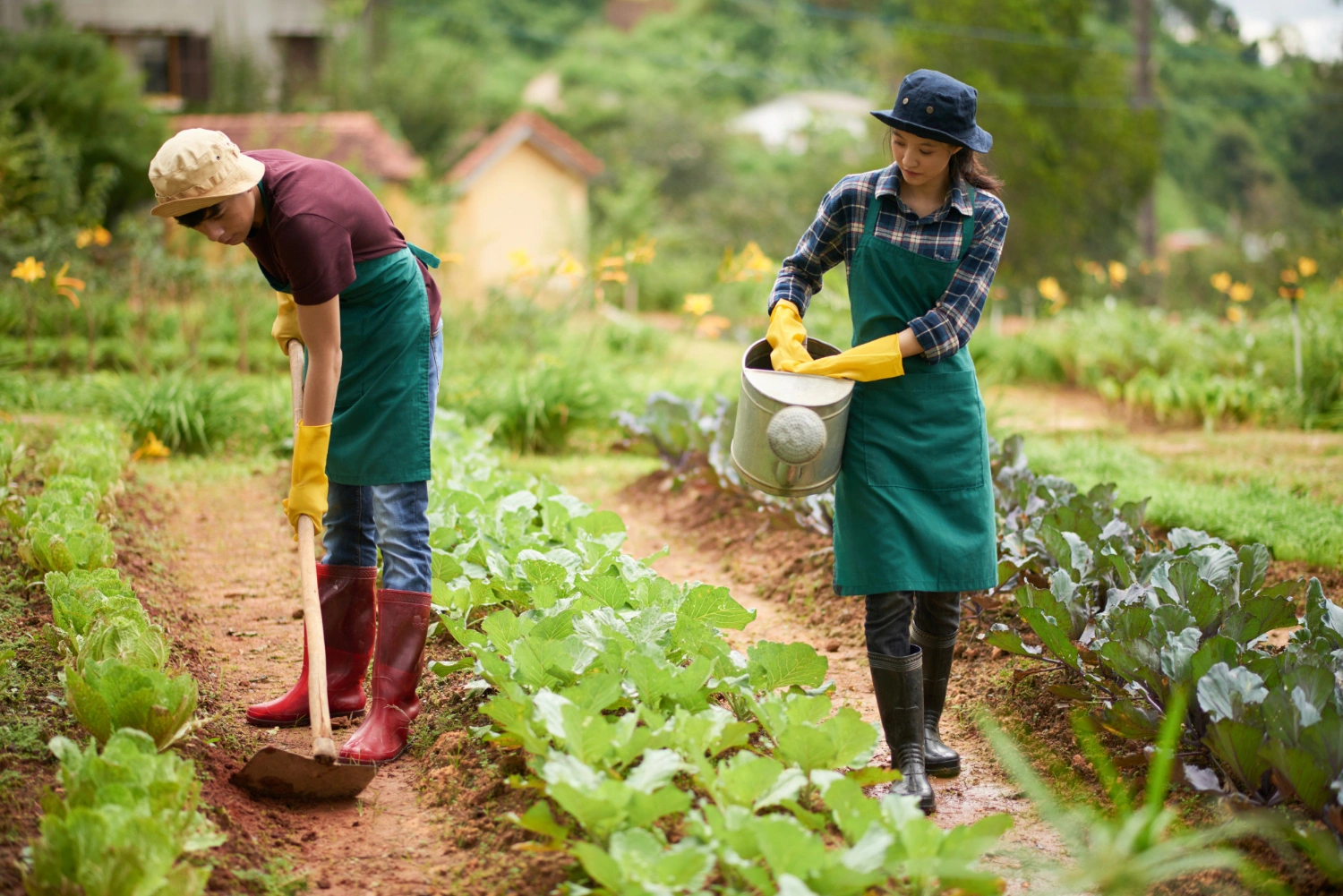
Sector-Specific Pathway for Agriculture and Fish Processing
A new category of permanent residence designed for workers in agriculture and fish processing is currently in development. This stream was introduced through IRCC’s 2025-2026 Departmental Plan and is aimed at stabilising labour availability in industries that rely heavily on seasonal and foreign labour.
The pathway is expected to be supported by:
- A dedicated sector-based work permit
- Expanded international recruitment partnerships
- Simplified processes for employers in rural and coastal regions
While the official start date may fall in 2025–2026, a full operational rollout is expected in 2026.
Successor Program to Replace EMPP
Canada is building a new permanent program that will replace the current Economic Mobility Pathways Pilot (EMPP). The EMPP has enabled qualified refugees and displaced individuals to immigrate through economic programs, helping employers access a broader talent pool.
With the pilot ending on December 31, 2025, a redesigned permanent pathway is expected to take its place in 2026.
Key expectations for the new program include:
- Continued focus on skilled refugees
- Recognition of international work experience
- Language and education assessment requirements
- Streamlined processing to support employer-driven hiring
The government has also announced a one-time PR transition measure for approximately 115,000 protected persons, which may align with the upcoming pathway.
2026 Reopening: Home Care Worker PR Pilots
Two care-focused pilot programs launched in 2025, the Child Care pilot and the Home Support pilot, filled their quotas almost immediately. Each accepted 2,750 applications, with some seats reserved for individuals already living in Canada without legal status.
IRCC is expected to reopen the in-Canada applicant streams in 2026, giving care workers with job offers another opportunity to qualify for PR.
Anticipated eligibility requirements include:
- A full-time Canadian job offer
- Minimum language proficiency equivalent to CLB 4
- High school education
- Six months of relevant, recent experience
Expanding Community-Based Pilots: RCIP and FCIP
The Rural Community Immigration Pilot (RCIP) and Francophone Community Immigration Pilot (FCIP) are expected to play a larger role in 2026 as participating communities refine their labour priorities.
These employer-led pathways target foreign workers who want to settle in smaller towns or Francophone regions outside Quebec. Candidates must secure a job offer in an eligible occupation and meet community-specific requirements for language, work experience, education, and settlement funds.
For FCIP applicants, proof of French ability at NCLC level 5 or higher is mandatory.
As more communities join these pilots in 2026, new occupations and sectors are expected to be added to their priority lists.
What Immigration Candidates Should Expect
With multiple new pathways and expanded pilot programs, Canada’s 2026 immigration year is shaping up to be one of the most dynamic in recent memory. Temporary workers, H-1B professionals, construction labourers, agricultural workers, home care providers, refugees, and rural community applicants are among those likely to benefit most.
Prospective applicants should prepare early by gathering:
- Updated language test results
- Verified work experience letters
- Educational credentials
- Proof of settlement funds where required
Further program details will gradually become available throughout 2025 and early 2026.