The year 2025 marked a decisive turning point for Canada’s immigration framework. Instead of expanding access across the board, the federal government recalibrated the system to become more selective, occupation-driven, and compliance-focused.
From citizenship reforms to tighter rules for students, workers, and Express Entry candidates, these changes are already shaping how Canadian immigration in 2026 will function.
Here is a complete breakdown of the most consequential Canadian immigration policy updates of 2025, explained clearly and structured for future applicants.
Also Read 2026 Brings Major Immigration and Labour Policy Changes Across Canada
1. Citizenship Rules Rewritten to Fix Longstanding Exclusions
Primary beneficiaries: Individuals previously denied citizenship by descent
Canada resolved a decades-old issue in its citizenship law by allowing more people born abroad to claim Canadian citizenship. Many individuals who were excluded due to generational limits are now eligible to apply.
However, the government also introduced a future-facing requirement: children born abroad to Canadian parents who were also born outside Canada must show a real link to the country through their parents’ prior residence history.
This reform reflects a balance between fairness and preserving national ties.
2. Express Entry No Longer Rewards Job Offers With Extra Points
Who it affects: Everyone in the Express Entry pool
In 2025, Canada eliminated one of the most influential CRS scoring advantages—bonus points for arranged employment.
Previously, candidates with employer-backed job offers often dominated Express Entry draws. The removal of these points shifted selection toward skills, education, language proficiency, and work experience, making the system more merit-based.
This change significantly altered CRS score trends and reshaped Express Entry strategies for 2026.
Top Stories
- Canada Conducts New Express Entry Draw, Invites Provincial Nominees
- Prince Edward Island Boosts Skilled Immigration Intake with Major March Draw
- Ontario Sends Over 1,100 ITAs in Region-Focused Selection Round
- Canada Speeds Up Temporary Visa Decisions in Latest IRCC Update
- Canada Relaxes Super Visa Income Rules for Families Sponsoring Parents and Grandparents
3. Express Entry Categories Redesigned Around Workforce Needs
Who benefits: Applicants working in priority occupations
Canada overhauled its category-based Express Entry system to better align with economic demand. The update included:
- A newly introduced category focused on education professionals
- Expanded healthcare coverage to include social service roles
- Removal of transport occupations from the targeted selection
- Reclassification of occupations across STEM and other sectors
Later in the year, IRCC announced plans for occupation-specific draws for doctors with Canadian experience, reinforcing a move toward micro-targeted selection.
4. Spousal Open Work Permits Became More Restricted
Who is impacted: Families of international students and foreign workers
Canada narrowed access to open work permits for spouses by applying stricter eligibility rules.
Only partners of students enrolled in advanced academic or regulated professional programs now qualify. Similarly, spouses of foreign workers are eligible only if the principal applicant works in designated high-skilled or shortage occupations.
This change reduced overall numbers while prioritising labour market relevance.
5. PGWP Rules Shifted Toward Labour-Market-Aligned Education
Who is affected: International students in non-degree programs
The Post-Graduation Work Permit program was refined to discourage oversupply in low-demand fields.
Eligibility is now closely tied to programs connected with Canada’s long-term employment needs. While the eligible field list evolved during the year, the outcome favoured students in strategic disciplines.
Degree-level graduates remained unaffected, preserving Canada’s global education appeal.
6. International Students Must Stick to Approved Institutions
Who it affects: Most post-secondary international students
Canada removed the flexibility that once allowed students to switch institutions freely. Students must now study only at the institution listed on their permit unless a new permit is approved.
This change emphasised pre-arrival planning and highlighted the importance of choosing the right Designated Learning Institution from the start.
7. Provincial Nominee Programs Tightened Before Gradual Recovery
Who is affected: Provincial nomination applicants
Early 2025 brought significant reductions in provincial nomination allocations, forcing provinces to pause or restrict several immigration streams.
Over time, most provinces regained a substantial portion of their allocation. However, many continued to focus on healthcare, trades, early childhood education, and essential services rather than broad recruitment.
The result was a more targeted and region-specific PNP landscape.
8. Medical Exams Required Earlier for Express Entry Applications
Who it affects: New Express Entry PR applicants
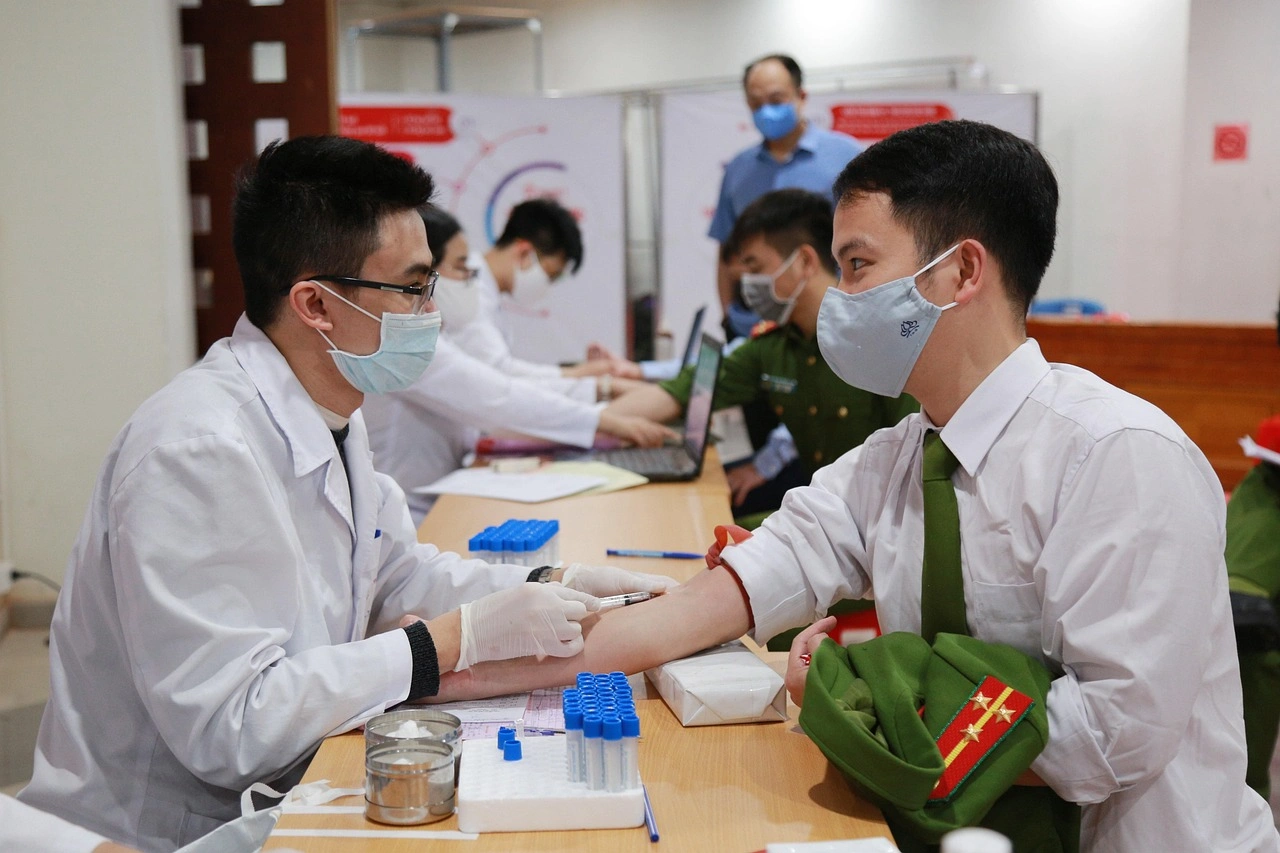
Canada introduced upfront medical examinations for most Express Entry applicants, requiring health checks before application submission.
The goal was faster processing and earlier risk assessment. Some applicants already residing in Canada may still qualify for exemptions based on prior medical clearance.
9. Maintained Status Rules Tightened to Prevent Misuse
Who it affects: Temporary residents applying for multiple extensions
IRCC changed how the maintained status operates when more than one extension application is submitted.
If the initial application is refused, subsequent submissions no longer preserve legal status. This update encourages accurate, well-prepared applications rather than repetitive filings.
Related Stories
- Canada Conducts New Express Entry Draw, Invites Provincial Nominees
- Canada Speeds Up Temporary Visa Decisions in Latest IRCC Update
- Canada Relaxes Super Visa Income Rules for Families Sponsoring Parents and Grandparents
- Canada Immigration Backlog Drops Below One Million as Processing Speeds Improve
- CRS Drops to 393 in Latest French-Language Express Entry Draw
10. Faster Employer Changes Allowed for Closed Work Permit Holders
Who benefits: Select foreign workers in Canada
Canada extended a policy allowing certain closed work permit holders to begin working for a new employer while their new permit application is under review.
This reduced job disruption and supported workforce stability during long processing periods.
What Applicants Should Expect for Canada Immigration in 2026
The 2025 reforms clearly signal Canada’s future direction:
- Fewer broad pathways
- Greater focus on specific occupations
- Stronger compliance and documentation standards
- Clear alignment with labour shortages
For those planning Canada PR in 2026, success will depend on strategy, eligibility precision, and staying updated with policy shifts.