British Columbia has once again used its provincial immigration program to bring in workers whose skills are closely connected to areas of workforce demand.
In its August 6, 2026 selection round, the British Columbia Provincial Nominee Program (BCPNP) selected 500 candidates through its Skills Immigration category. The latest invitation round was specifically designed around five occupational areas: construction trades, healthcare, childcare, education, and veterinary care.
The selection is another indication that British Columbia is using targeted immigration to strengthen sectors that play an important role in the province’s economy and essential services.
Also Read British Columbia Targets 500 Workers in New PNP Draw
Five Sectors Featured in the Latest Selection
Instead of applying one common occupation requirement to all invited candidates, the BCPNP divided this selection into separate occupational groups. Each group had its own invitation volume and minimum registration score.
Construction trades accounted for the largest share, followed closely by childcare and healthcare.
| Sector | Targeted NOCs | Invitations | Lowest Score |
| Construction Trades | 9 | 187 | 88 |
| Childcare | 1 | 183 | 102 |
| Healthcare | 31 | 124 | 84 |
| Veterinary Care | 2 | 6 | 72 |
| Education | 2 | <5 | 68 |
The figures show that the province’s requirements differed considerably between occupations. Childcare had the highest minimum score at 102, while education had the lowest threshold at 68.
With 187 invitations, construction was the most heavily represented occupational group in the round.
Top Stories
- Ontario Invests $20 Million to Speed Up Medical Licensing for Foreign Doctors
- Ontario Boosts PR Points for $80K Earners
- Alberta Invites 1,110 Candidates Through 9 PNP Selections in September 2026
- Quebec Invites 519 Foreign Workers for Permanent Residence Selection
- Records 41 New PNP ITAs Issued in New Newfoundland and Labrador Draw
Construction Workers Remain a Major Priority
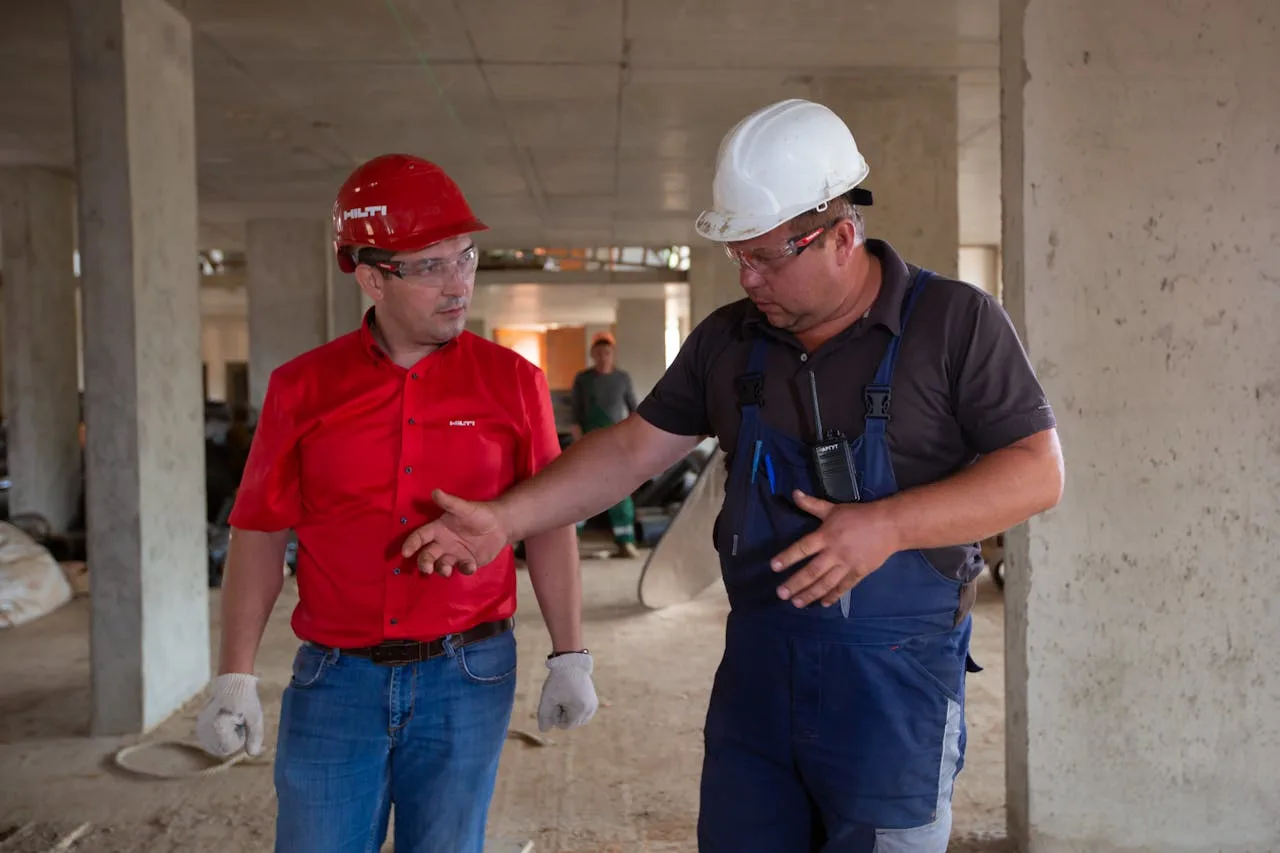
British Columbia’s construction sector received significant attention in this draw, with invitations going to workers in nine skilled-trade occupations.
The occupations included:
- NOC 72100: Machinists and machining and tooling inspectors
- NOC 72102: Sheet metal workers
- NOC 72103: Structural metal and platework fabricators and fitters
- NOC 72104: Welders and related machine operators
- NOC 72105: Ironworkers
- NOC 72106: Blacksmiths and die setters
- NOC 72200: Electricians, except industrial and power system
- NOC 72310: Carpenters
- NOC 72320: Bricklayers
The province issued 187 invitations to this group. Candidates needed a registration score of at least 88 to be considered in the August 6 selection.
Childcare Workers Receive 183 Invitations
Childcare was another prominent category in the draw.
The province focused on:
- NOC 42202 – Early childhood educators and assistants
A total of 183 invitations went to this occupational group. The minimum registration score was 102, making childcare the category with the highest score requirement in this particular selection.
The result highlights the importance of early childhood services within British Columbia’s workforce planning and immigration priorities.
Healthcare Draw Covers 31 Occupations
Healthcare represented the broadest occupational category in the latest round, with 31 NOCs included.
The targeted occupations were:
- NOC 31100 – Specialists in clinical and laboratory medicine and medical specialists
- NOC 31101 – Specialists in surgery
- NOC 31102 – General practitioners and family physicians
- NOC 31103 – Veterinarians
- NOC 31110 – Dentists
- NOC 31111 – Optometrists
- NOC 31112 – Audiologists and speech-language pathologists
- NOC 31120 – Pharmacists
- NOC 31121 – Dietitians and nutritionists
- NOC 31200 – Psychologists
- NOC 31201 – Chiropractors
- NOC 31202 – Physiotherapists
- NOC 31203 – Occupational therapists
- NOC 31204 – Kinesiologists and other professional occupations in therapy and assessment
- NOC 31209 – Other professional occupations in therapy and assessment
- NOC 31300 – Nursing coordinators and supervisors
- NOC 31301 – Registered nurses and registered psychiatric nurses
- NOC 31302 – Nurse practitioners
- NOC 31303 – Physician assistants, midwives and allied health professionals
- NOC 32100 – Opticians
- NOC 32101 – Licensed practical nurses
- NOC 32102 – Paramedical occupations
- NOC 32103 – Respiratory therapists, clinical perfusionists and cardiopulmonary technologists
- NOC 32104 – Animal health technologists and veterinary technicians
- NOC 32109 – Other technical occupations in therapy and assessment
- NOC 33100 – Dental assistants and dental laboratory assistants
- NOC 33101 – Medical laboratory assistants and related technical occupations
- NOC 33102 – Nurse aides, orderlies and patient service associates
- NOC 33109 – Other assisting occupations in support of health services
- NOC 44101 – Home support workers, caregivers and related occupations
- NOC 33103 – Pharmacy technical assistants and pharmacy assistants
The healthcare category produced 124 invitations, with the minimum registration score set at 84.
Related Stories
- Ontario Invests $20 Million to Speed Up Medical Licensing for Foreign Doctors
- Ontario Boosts PR Points for $80K Earners
- Alberta Invites 1,110 Candidates Through 9 PNP Selections in September 2026
- Quebec Invites 519 Foreign Workers for Permanent Residence Selection
- Records 41 New PNP ITAs Issued in New Newfoundland and Labrador Draw
Teachers Also Included in the Selection
The education component was considerably smaller, with fewer than five invitations issued.
British Columbia considered these two occupations:
- NOC 41220 – Secondary school teachers
- NOC 41221 – Elementary school and kindergarten teachers
The minimum score for this group was 68.
Although the number of invitations was small, the inclusion of teaching professionals shows that education remains among the occupational areas that can receive targeted consideration under the BCPNP.
Veterinary Professionals Included Too
Workers in animal healthcare were also selected.
The two occupations included in the veterinary category were:
- NOC 31103 – Veterinarians
- NOC 32104 – Animal health technologists and veterinary technicians
The province issued 6 invitations to candidates in this group. The minimum registration score was 72.
2026 Has Seen Multiple Types of BCPNP Selections
The August 6 draw was the province’s fifth occupation-focused selection of 2026 and the 11th Skills Immigration draw of the year, according to the information provided for this selection.
The province has not limited its invitations to one selection formula. Depending on the round, BCPNP selections can emphasize different characteristics, including registration scores, wages, employment and occupations.
This means applicants should not assume that the criteria from one draw will automatically carry over to the next.
BCPNP Can Change Its Selection Priorities
British Columbia has considerable flexibility in deciding which candidates it wants to invite through Skills Immigration.
Potential selection considerations can include:
- Academic credentials and the subject studied;
- The location where education was completed;
- Professional credentials recognized in British Columbia;
- Amount and level of previous work experience;
- Language test results;
- Current occupation;
- Job-offer wage;
- Skill level of the offered position;
- Intended destination within British Columbia; and
- Provincial strategic priorities, pilot programs and government initiatives.
The province can therefore adapt its invitation strategy when particular industries or regions require additional workers.
More Than 8,300 Candidates Were Waiting in the Pool
The number of people already registered with the BCPNP also demonstrates the level of competition.
On August 6, 2026, the Skills Immigration registration pool contained 8,306 candidates.
Their scores were distributed as follows:
| Score Band | Registrations |
| 0–59 | 212 |
| 60–69 | 373 |
| 70–79 | 739 |
| 80–89 | 1,219 |
| 90–99 | 1,468 |
| 100–109 | 1,651 |
| 110–119 | 1,332 |
| 120–129 | 1,023 |
| 130–139 | 241 |
| 140–149 | 38 |
| 150+ | 10 |
The 100–109 range had the largest number of registrations, with 1,651 candidates. This represented about 19.8% of everyone in the pool at the time.
There were also more than 1,000 candidates in each of the 80–89, 90–99, 110–119 and 120–129 score brackets.
Having a Strong Score Does Not Guarantee an Invitation
The registration pool figures should not be interpreted as a simple ranking in which the highest-scoring candidates always receive invitations first.
BCPNP can conduct selections based on specific occupational or strategic requirements. As a result, the occupation of a candidate may become just as important as, or more important than, their overall registration score during a targeted round.
This creates opportunities for workers in priority occupations who may not necessarily have the highest scores in the entire pool.
4,236 Skills Immigration Invitations Issued in 2026
The latest selection also contributed to a growing number of provincial nomination invitations issued by British Columbia this year.
By August 6, the province had issued 4,236 invitations through the Skills Immigration category.
Candidates who receive an invitation still need to complete the required provincial application process. An invitation itself is not equivalent to a nomination or permanent residence approval.
What Invited Candidates Need to Know
Those selected by the BCPNP must submit their application within the applicable period and provide documentation supporting the information included in their registration.
The province can assess factors such as employment, qualifications, work history and other eligibility requirements during the application stage. Candidates should therefore make sure that their supporting documents accurately reflect the information used to obtain the invitation.
If the provincial application is approved, the successful applicant receives a nomination that can support a subsequent application for Canadian permanent residence through the relevant federal process.
Conclusion
The latest British Columbia draw offers a useful indication of where the province is directing part of its immigration strategy in 2026.
Workers in skilled construction trades, healthcare, childcare, education and veterinary services should pay close attention to future BCPNP announcements, particularly if their occupation appears on a targeted list.
At the same time, applicants should avoid relying exclusively on the minimum score from one invitation round. British Columbia can change the occupations, scores and other selection factors used in future draws as provincial labour requirements develop.
For prospective immigrants, maintaining an accurate BCPNP registration profile and monitoring new invitation rounds can be important steps toward identifying future nomination opportunities.