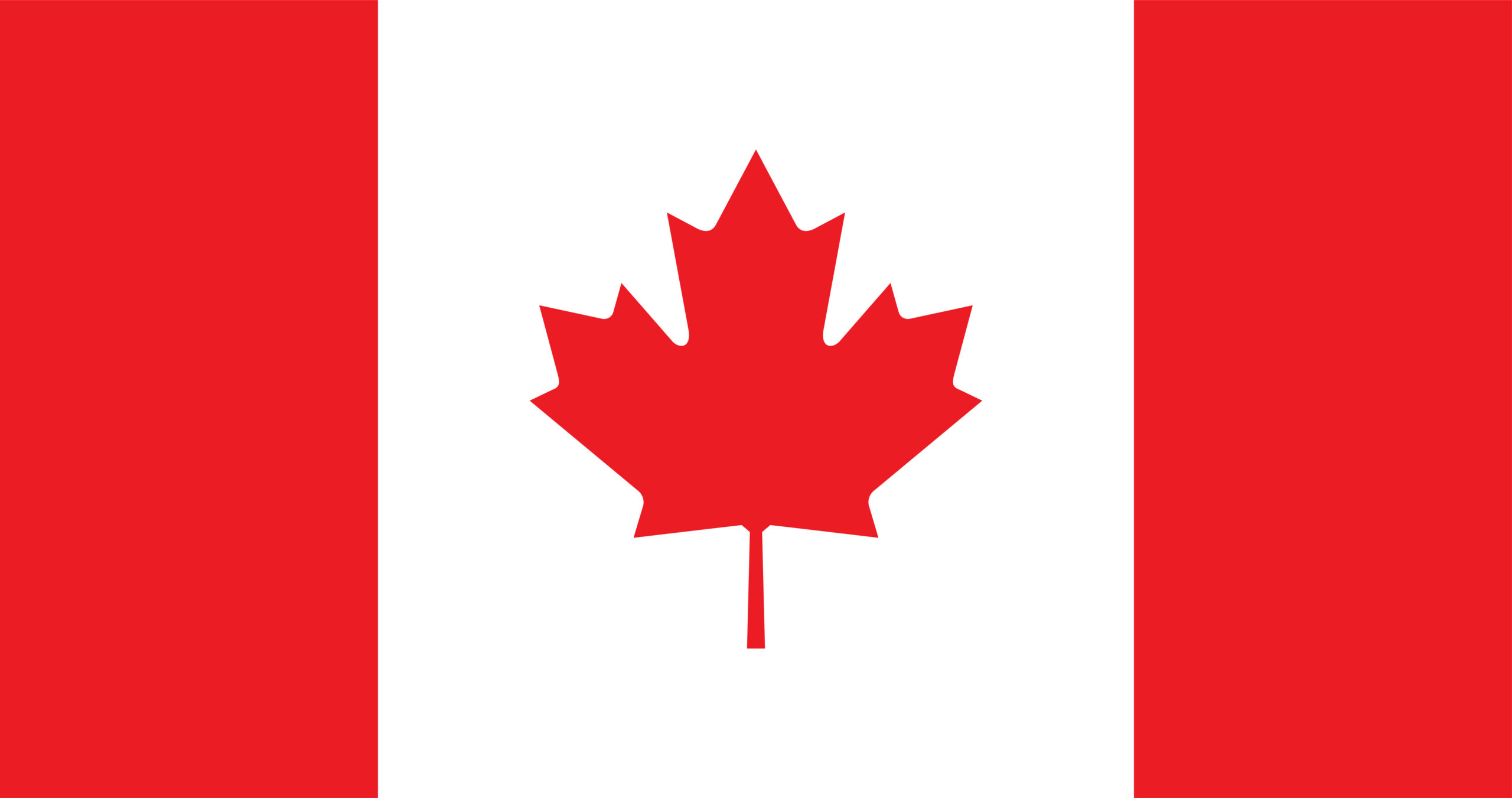
Canada’s federal government has taken another decisive step toward reshaping its immigration landscape by introducing 5,000 additional permanent residence opportunities for French-speaking newcomers, reinforcing its commitment to linguistic diversity outside Quebec.
The announcement reflects a broader policy shift that places Francophone immigration at the center of regional growth, workforce development, and community sustainability across the country.
Also Read Canada adds 5,000 PR selection spaces for French-speaking immigrants
Extra PR Spaces Redirected to Provinces and Territories
Unlike previous initiatives that relied heavily on federal immigration systems, the newly announced PR spaces will be channeled through provinces and territories. These additional allocations will supplement existing nomination limits already available under provincial nominee programs and regional immigration pilots.
By reallocating federal selection capacity, Ottawa is enabling local governments to directly recruit French-speaking immigrants aligned with regional labour demands and demographic goals.
Why This Matters for Future Immigration Applicants
For immigration candidates with French-language proficiency, the policy change is expected to open new and improved pathways to permanent residence, particularly through provincial programs.
Key implications include:
- Stronger preference for bilingual and French-speaking profiles in provincial selections
- Greater flexibility for provinces to design language-focused nomination streams
- Expanded access to PR for candidates outside the federal Express Entry system
While program-specific details are yet to be released, immigration observers expect visible changes in provincial draw patterns starting in 2026.
Top Stories
- Canada Introduces Wage-Based CRS Bonus for 186 Occupations
- Newfoundland and Labrador Records 17 Draws in 2026 as October ITAs Reach 131
- Canada Issues 5,000 Express Entry ITAs to French-Speaking Candidates in Latest Draw
- 2,500 CEC Candidates Invited with a CRS Cut-Off of 519 in New Express Entry Draw
- Manitoba PNP Invites 340 Candidates in New Draw for Canadian PR
Canada Continues to Outperform Francophone Immigration Goals
During the same announcement, federal officials confirmed that Canada once again surpassed its annual target for French-speaking permanent residents settling outside Quebec.
In 2025, nearly one in eleven new permanent residents admitted outside Quebec identified as French-speaking, marking the fourth consecutive year the country exceeded its own benchmarks.
This sustained progress underscores the growing effectiveness of policies designed to attract French-speaking talent to smaller provinces and minority-language communities.
Higher Targets Locked In for the Coming Years
Canada’s updated immigration framework outlines a steady rise in Francophone admission targets through the remainder of the decade. Under the federal immigration plan:
- French-speaking immigrants will account for 9% of PR admissions outside Quebec in 2026
- The share will increase to 9.5% in 2027
- By 2028, the target will reach 10.5%
Federal planners have positioned these milestones as stepping stones toward an ambitious 12% national objective by 2029.
Policy Tools Supporting the Expansion
The government has rolled out several initiatives over recent years to support French-speaking newcomers and ensure long-term settlement success, including:
- Dedicated federal selection mechanisms for French-proficient candidates
- Employer-focused work permit programs facilitating Francophone recruitment
- Targeted pathways for French-speaking international students
- Community-based settlement initiatives are designed to improve retention
These combined measures are intended to strengthen French-language communities while addressing skill shortages across key sectors.
A New Era for Francophone Immigration in Canada
Although the distribution of the 5,000 new PR spaces among provinces has not yet been disclosed, the direction is clear. Provinces and territories are expected to play a much larger role in shaping Francophone immigration outcomes, marking a significant evolution in Canada’s immigration model.As policies continue to evolve, French-language proficiency is increasingly positioned not just as a cultural asset but as a strategic advantage for permanent residence in Canada.