Canada’s Provincial Immigration Summary in 2025
A Defining Year for Provincial Nominee Programs
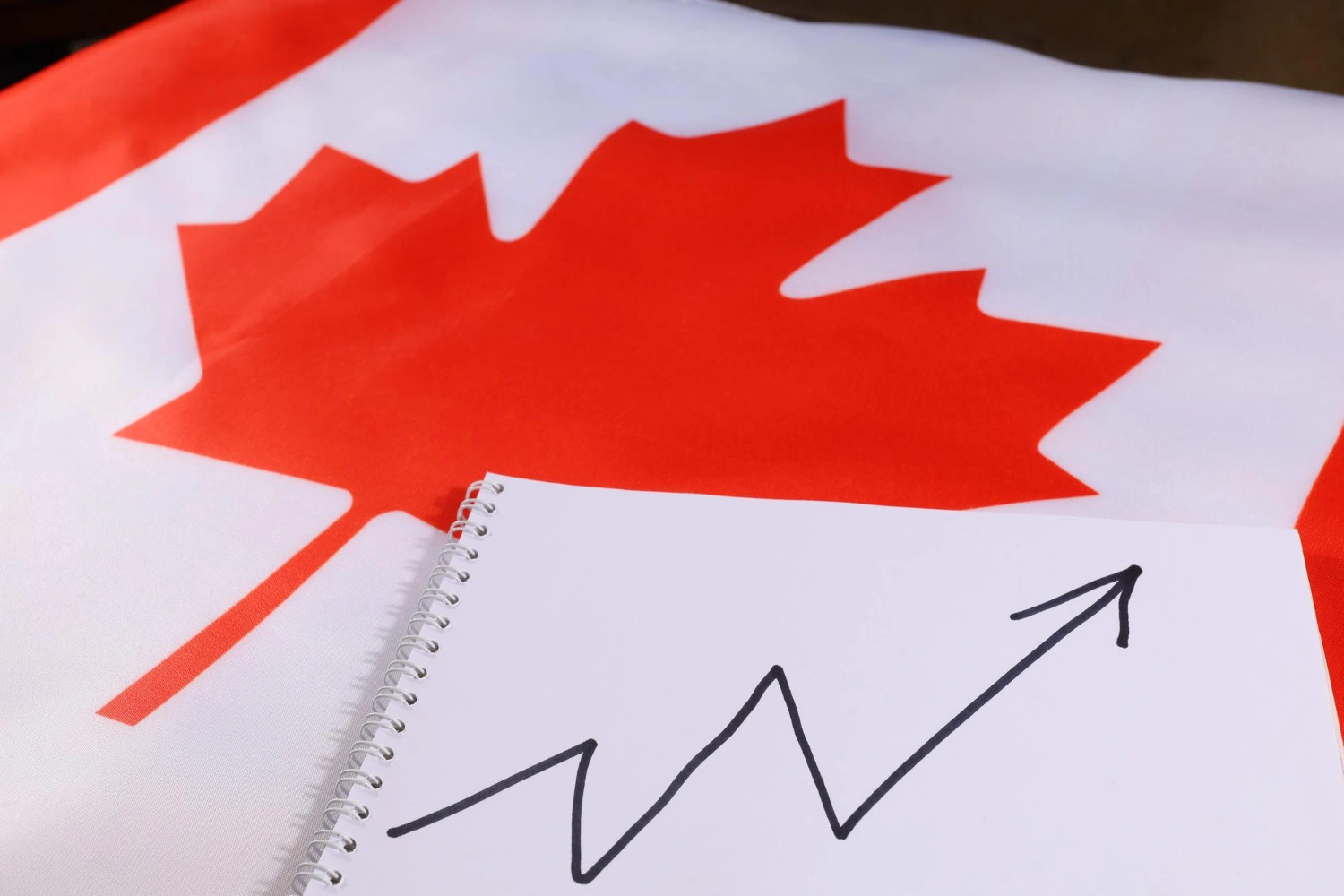
The year 2025 proved to be one of the most transformative periods for Canada’s provincial immigration system. Across the country, provinces and territories were forced to rethink how they select, prioritise, and nominate newcomers after Ottawa sharply reduced Provincial Nominee Program (PNP) targets.
From sudden allocation cuts and paused immigration streams to the rollout of new Expression of Interest (EOI) systems, provincial governments spent much of 2025 adapting to tighter federal limits. These changes did not just affect last year’s applicants—they are now shaping how provincial immigration will function throughout 2026.
This article breaks down how federal policy decisions reshaped provincial immigration in 2025 and what skilled workers, international graduates, and employers should expect next.
Also Read Canada PNP in Review
Federal Immigration Policy Triggers Major PNP Cuts
At the centre of the disruption was the federal government’s revised Immigration Levels Plan. In October 2024, Immigration, Refugees and Citizenship Canada (IRCC) released its 2025–2027 Immigration Levels Plan, dramatically reducing the number of permanent residents allowed through the Provincial Nominee Program.
For 2025, Ottawa lowered the national PNP admissions target to 55,000, a steep decline from 110,000 in 2024. This meant provincial immigration admissions were effectively cut in half within a single year.
Even more striking was the contrast with earlier projections. Under the previous 2024–2026 plan, provinces had been preparing for 120,000 PNP landings in 2025, making the final figure a reduction of roughly 54% from what was initially promised.
Top Stories
- Canada Issues 733 Express Entry ITAs to Provincial Nominees in Latest Draw
- British Columbia Sends 714 PNP ITAs to High-Wage and High-Scoring Workers
- Latest September Manitoba PNP Draw Invites 417 STEM Workers
- British Columbia PNP Invites Entrepreneurs in New September Draw
- Newfoundland and Labrador Records 62 Issues Immigration ITAs as 2026 Activity Continues
Comparison of Federal Immigration Targets
The scale of the adjustment is clearly visible below:
| Levels Plan | Overall PR admissions target (2025) | PNP admissions target (2025) |
| 2024–2026 plan | 500,000 | 120,000 |
| 2025–2027 plan | 395,000 | 55,000 |
These lower admissions targets immediately translated into fewer nomination certificates for provinces, forcing them to restrict new applications and tighten selection standards.
Provincial Nomination Allocations Slashed Across Canada
By the start of 2025, nearly every province and territory publicly confirmed significant reductions to their annual PNP allocations—many reporting cuts of around 50% compared to 2024 levels.
Below are the initial PNP allocations for 2025, as announced early in the year:
| Province/Territory | Initial 2025 allocation |
| Alberta | 4,875 |
| British Columbia | 4,000 |
| Manitoba | 4,750 |
| New Brunswick | 2,750* |
| Newfoundland and Labrador | 1,525* |
| Northwest Territories | 150 |
| Nova Scotia | 3,150* |
| Ontario | 10,750 |
| Prince Edward Island | 1,025* |
| Saskatchewan | 3,625 |
| Yukon | 215 |
*Atlantic provinces often reported combined figures for PNP nominations and Atlantic Immigration Program (AIP) endorsements.
These reduced allocations significantly limited how many skilled workers and graduates provinces could nominate for permanent residence.
How Provinces Adapted to Fewer Nomination Spots
With fewer certificates available, provinces were forced to redesign their immigration strategies. While each jurisdiction responded differently, several common trends emerged nationwide.
Key Provincial Immigration Shifts in 2025
Most provinces introduced some combination of the following changes:
- Temporary or permanent closure of certain PNP streams
- Consolidation of multiple streams into fewer, more targeted pathways
- Stricter eligibility criteria focused on priority occupations
- Greater emphasis on candidates already working or living in the province
- Expansion or introduction of Expression of Interest (EOI) systems
These adjustments reshaped immigration access across provinces, including Alberta, British Columbia, Manitoba, Ontario, Saskatchewan, and the Atlantic regions, with many applicants finding fewer direct application routes than in previous years.
A Special Case: Quebec
Quebec operates outside the PNP framework through its own immigration programs under long-standing federal agreements. Unlike most provinces, Quebec continued to actively reduce immigration intake in 2025, citing housing shortages, affordability concerns, and integration capacity.
Related Stories
- Canada Issues 733 Express Entry ITAs to Provincial Nominees in Latest Draw
- Newfoundland and Labrador Records 62 Issues Immigration ITAs as 2026 Activity Continues
- PEI PNP Opens Another Route to PR With 195 Invitations in September Draw
- 250 Senior Managers Receive ITAs at CRS 389 in Latest Express Entry Draw
- 2,000 CEC Candidates Receive ITAs at CRS 519 in Latest Express Entry Draw
Federal Reversal in Late 2025 Brings Relief to Provinces
After months of pressure from provincial governments and industry stakeholders, Ottawa partially reversed course in the second half of 2025. Beginning in late summer and continuing into October, IRCC approved additional nomination allocations for most provinces and territories.
Ontario was the major exception, as its allocation remained unchanged.
These late increases did not carry forward automatically into 2026, but they played a key role in shaping federal planning for the following year.
Conditions Tied to Additional Allocations
Provincial updates revealed two important trends linked to the increases:
- In several cases, provinces were required to ensure 75% of nominees were already inside Canada
- Some allocation boosts were connected to broader negotiations, including agreements to accept higher numbers of asylum seekers or humanitarian immigrants
Provinces That Benefited from Increased Allocations
The table below reflects publicly reported figures after Ottawa approved additional nomination spots later in 2025. British Columbia also received a second increase in December, raising its final total further.
| Province/Territory | Initial 2025 | Later 2025 (after increases) | Net change |
| Alberta | 4,875 | 6,403 | +1,528 |
| British Columbia | 4,000 | 6,214 | +2,214 |
| Manitoba | 4,750 | 6,239 | +1,489 |
| New Brunswick | 2,750 | 4,250 | +1,500 |
| Newfoundland and Labrador | 1,525 | 2,525 | +1,000 |
| Northwest Territories | 150 | 300 | +150 |
| Nova Scotia | 3,150 | 3,709 | +559 |
| Ontario | 10,750 | 10,750 | +0 |
| Prince Edward Island | 1,025 | 1,600 | +575 |
| Saskatchewan | 3,625 | 4,761 | +1,136 |
| Yukon | 215 | 282 | +67 |
2026 Outlook: Stronger PNP Targets Signal a Shift in Strategy
Momentum shifted again in November 2025, when IRCC unveiled the 2026–2028 Immigration Levels Plan. This time, the federal government significantly increased the national PNP admissions target to 91,500 for 2026, with a projected range of 82,000 to 105,000.
This represents a 66% increase compared to the 55,000 target used for 2025.
Despite the higher PNP numbers, Canada’s overall permanent resident admissions are expected to remain stable at 380,000 per year, indicating a rebalancing rather than an expansion of immigration pathways.
What This Means for Provincial Nominee Applicants
For provinces and territories, higher federal landings targets usually translate into:
- Larger nomination allocations
- More frequent EOI draws
- Increased chances of reopening paused streams
- Better planning certainty for employers
- Stronger focus on transitioning temporary residents to permanent status
Final Takeaway
The events of 2025 reshaped provincial immigration in Canada more dramatically than any year in recent memory. While applicants faced tighter access and fewer invitations last year, the outlook for 2026 is notably more optimistic.
With increased PNP admissions, renewed provincial flexibility, and a clear federal push to retain workers already in Canada, provincial nominee programs are set to play a much stronger role in Canada’s immigration system once again.
For candidates planning their PR journey, understanding these provincial shifts will be critical in navigating Canada’s evolving immigration landscape in 2026 and beyond.